
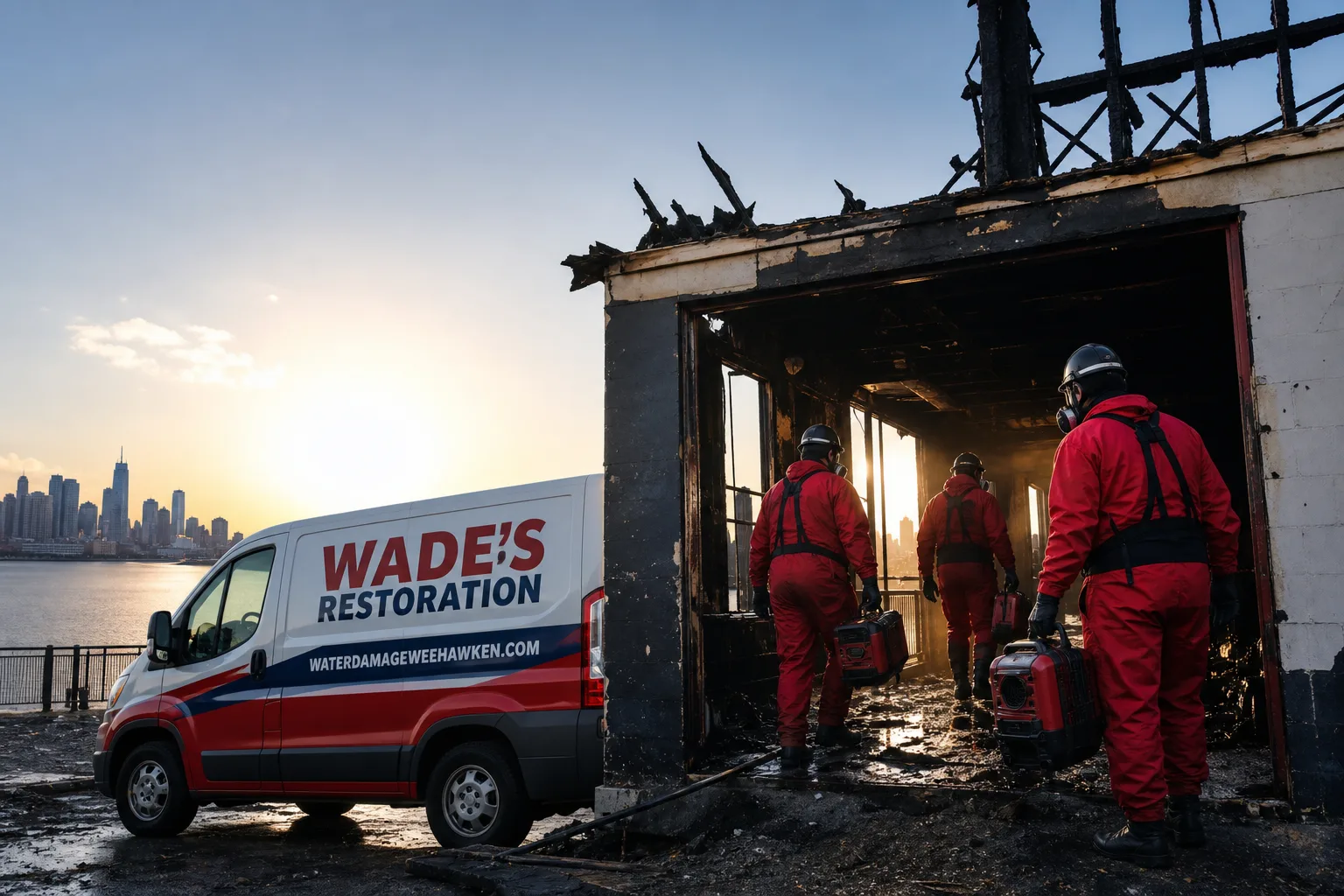
Free visual inspection and a written scope of work before any mitigation begins - photos, moisture readings, and drying logs go in your claim file
The scope we write is the scope we bill. Anything new gets shown to you, in writing, before we touch it.
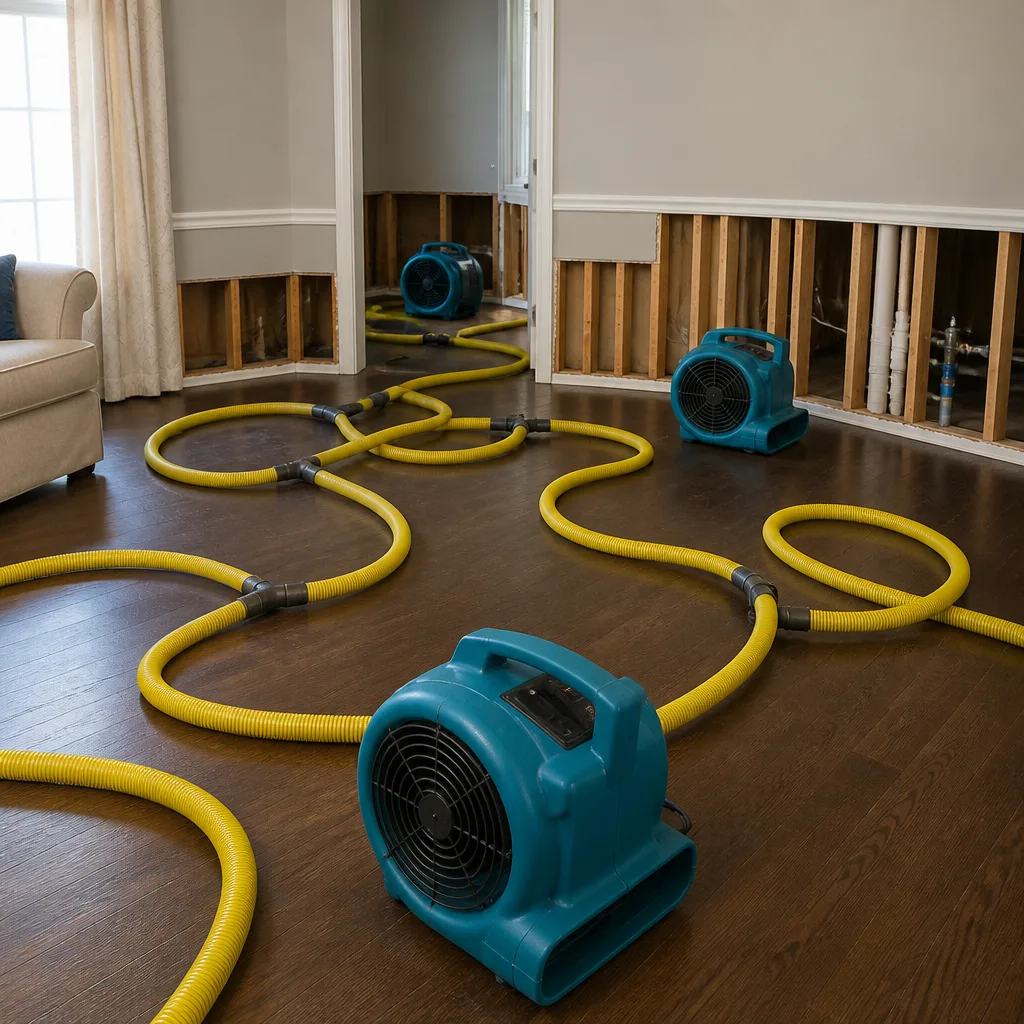
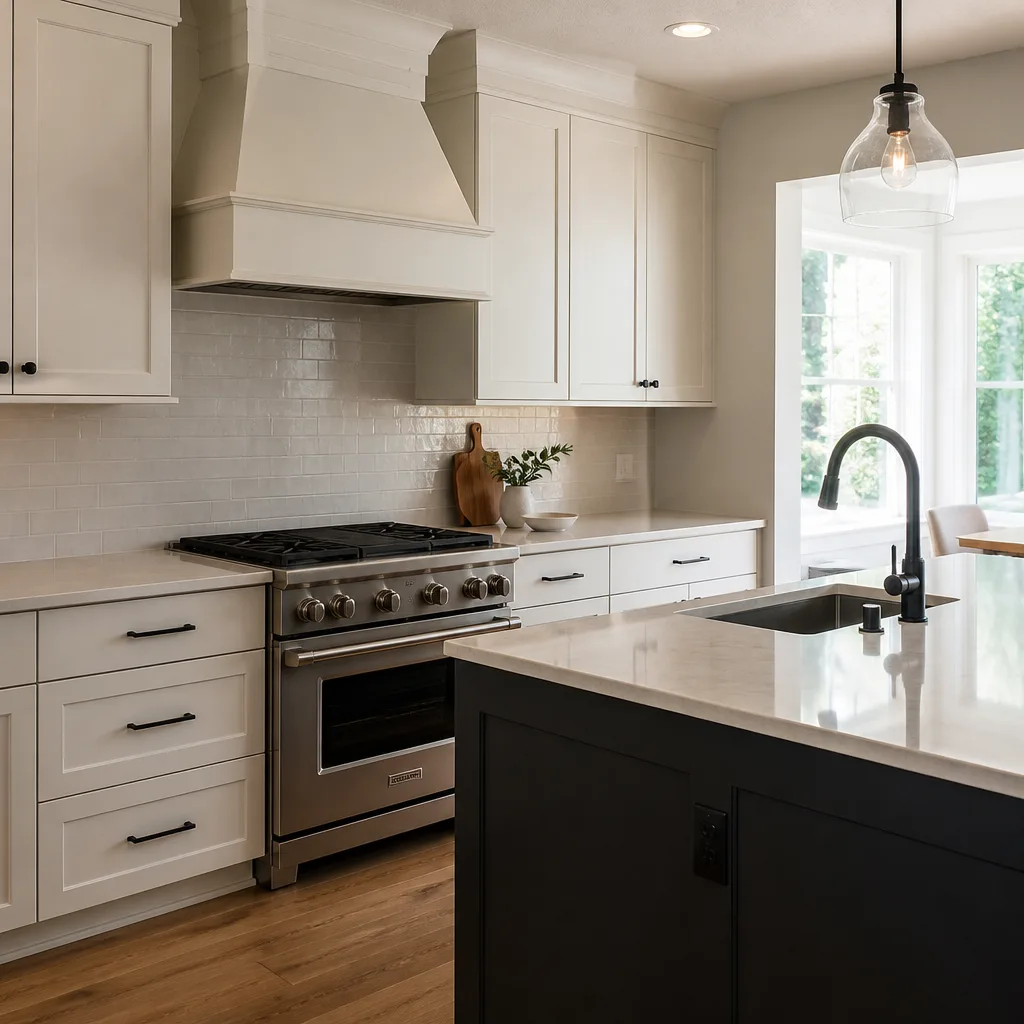
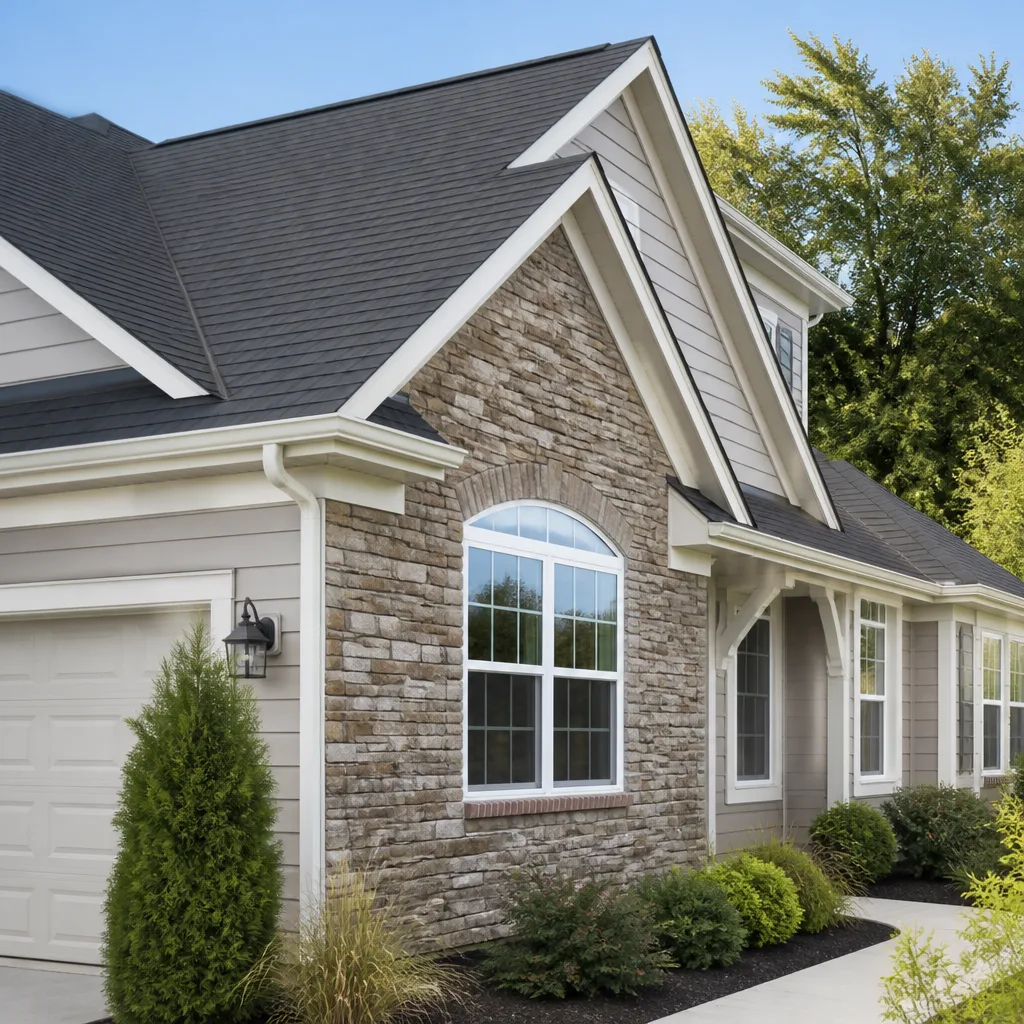
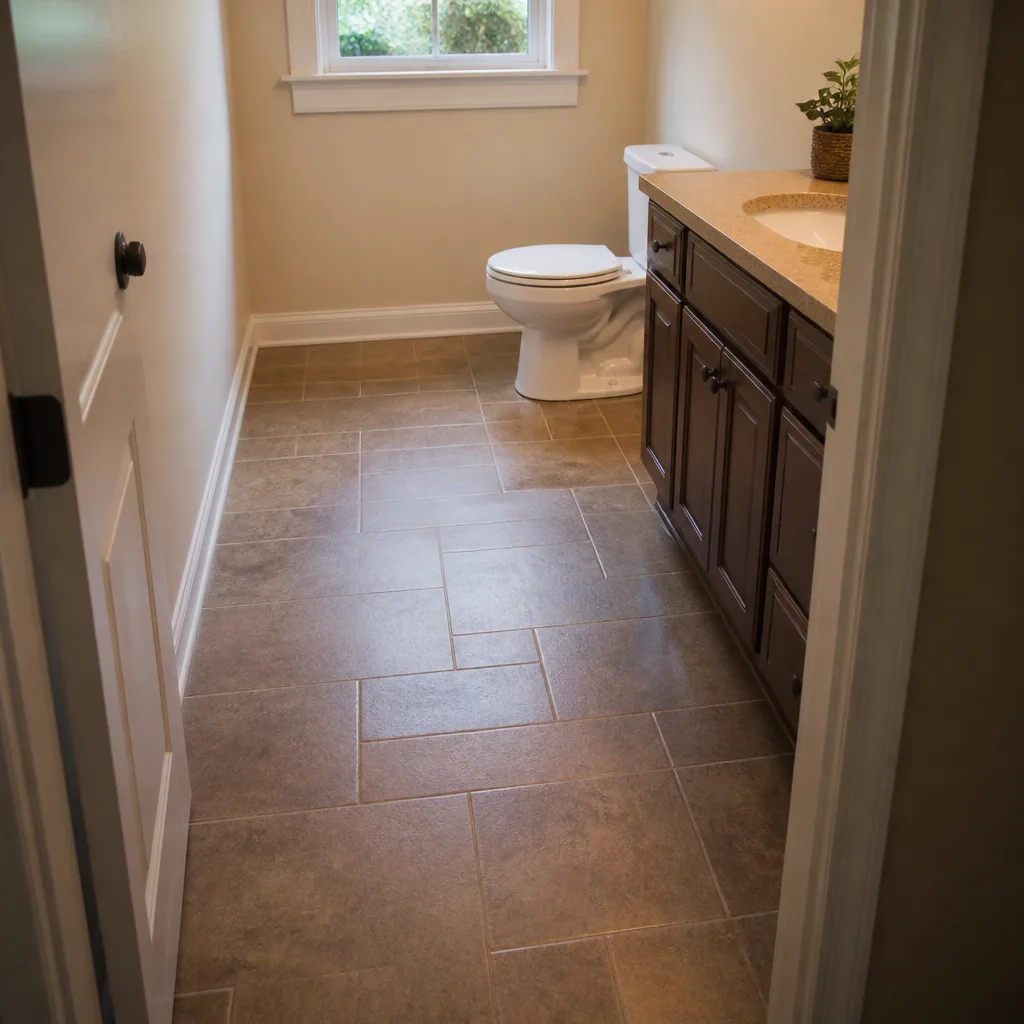
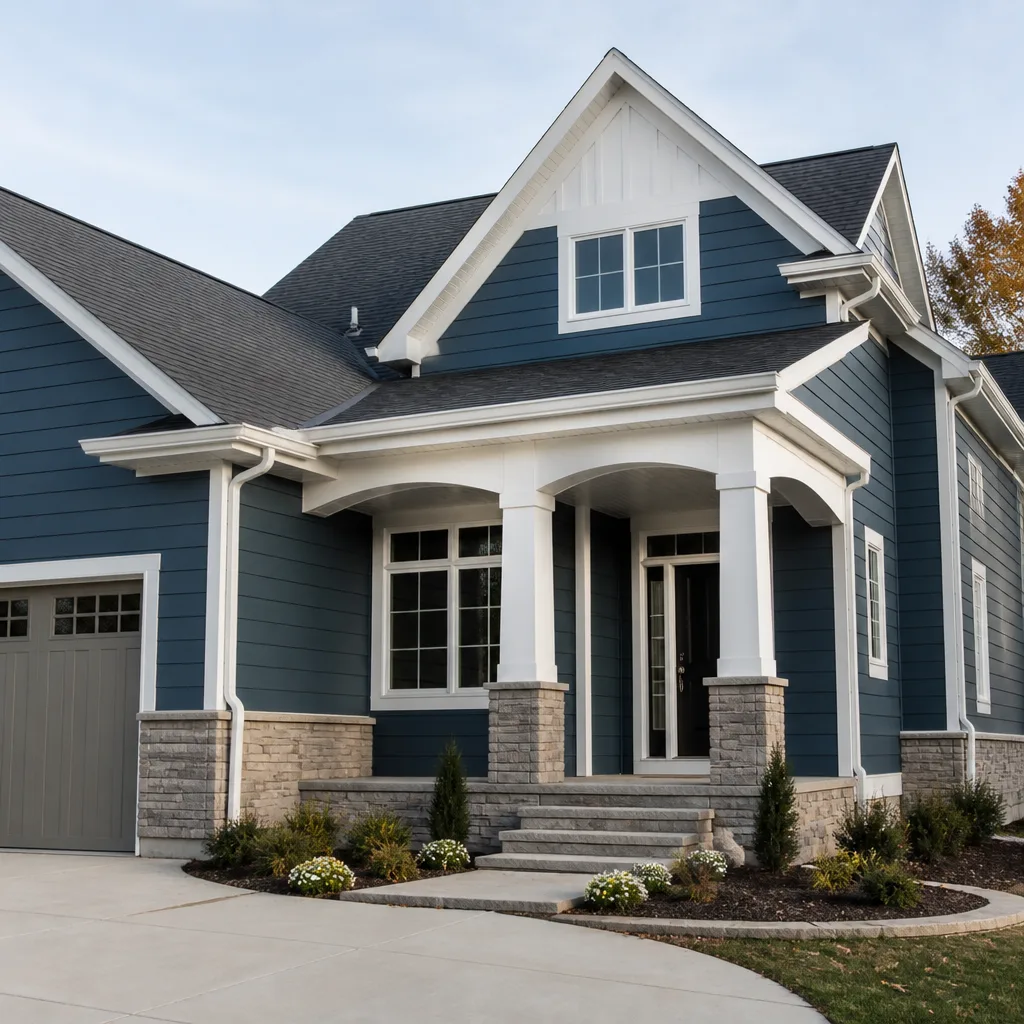
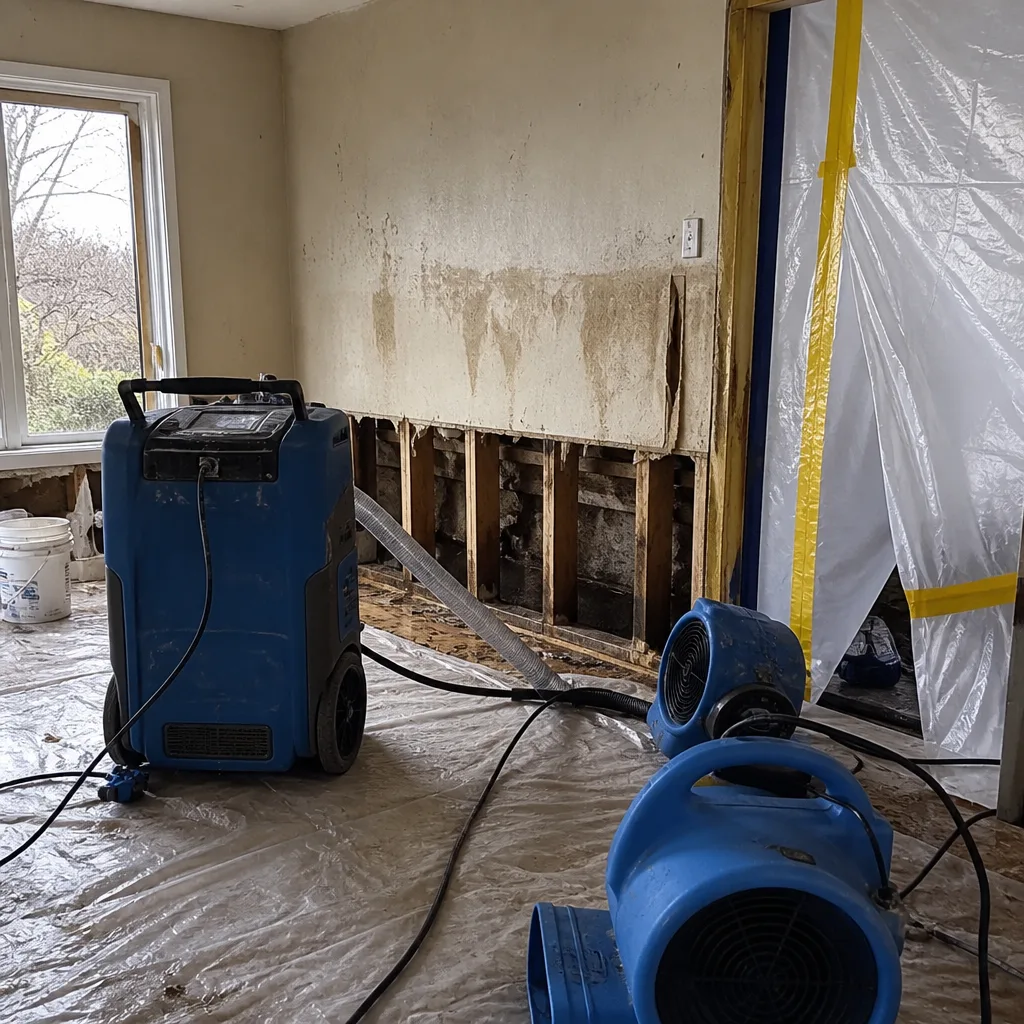 Before
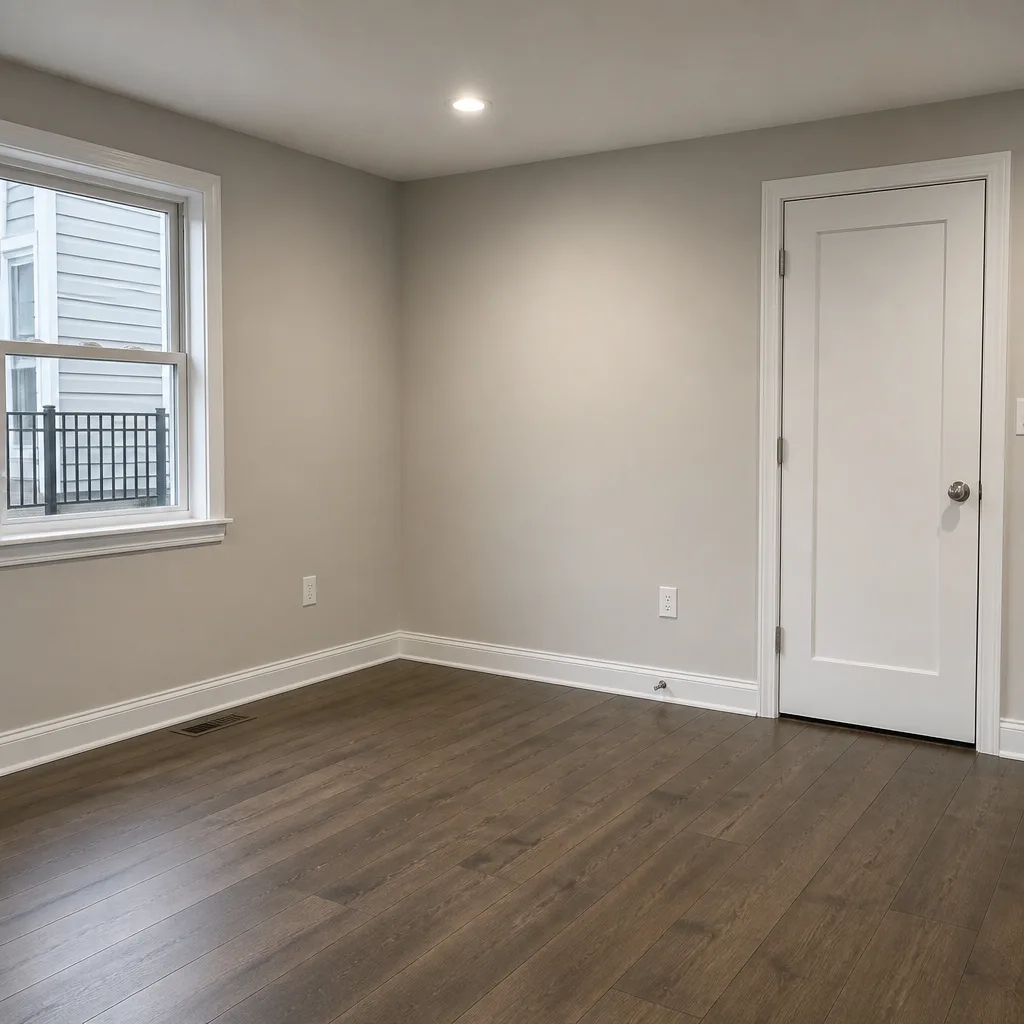 After
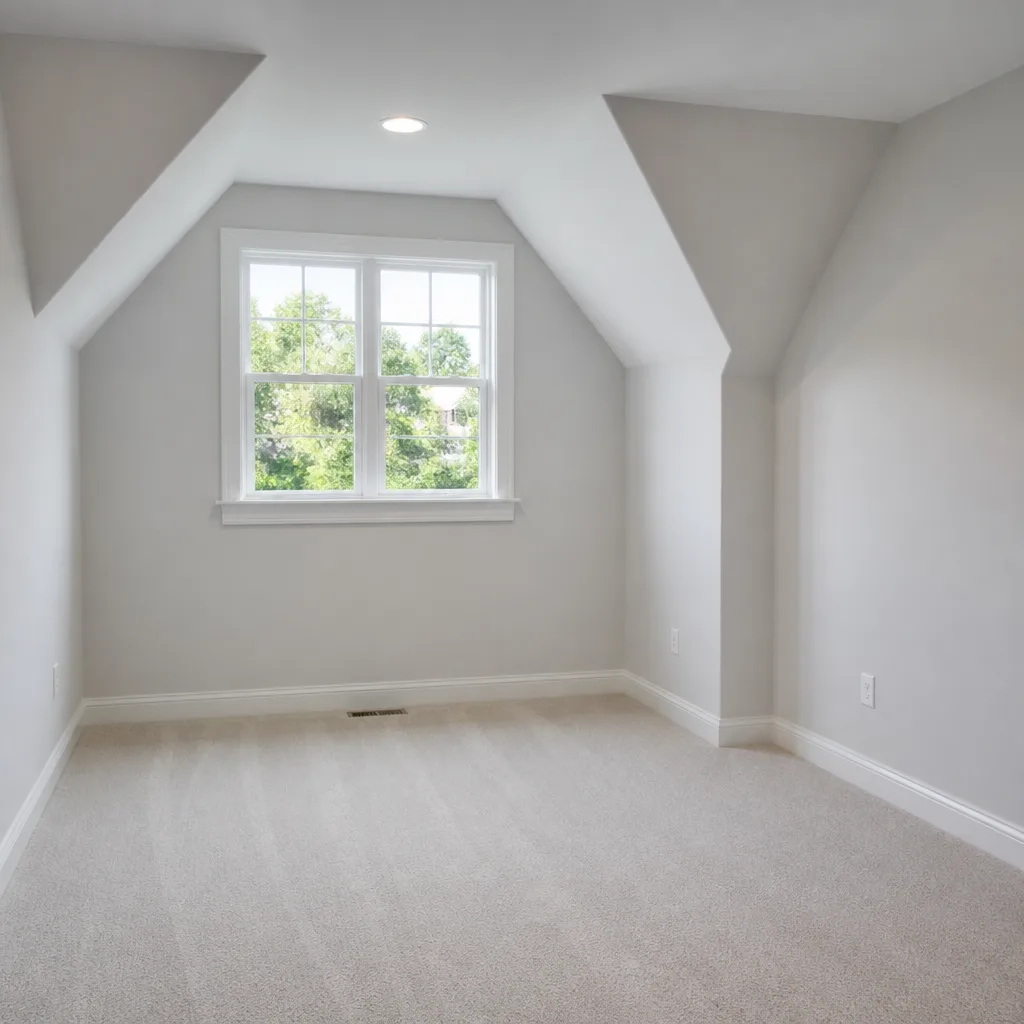
After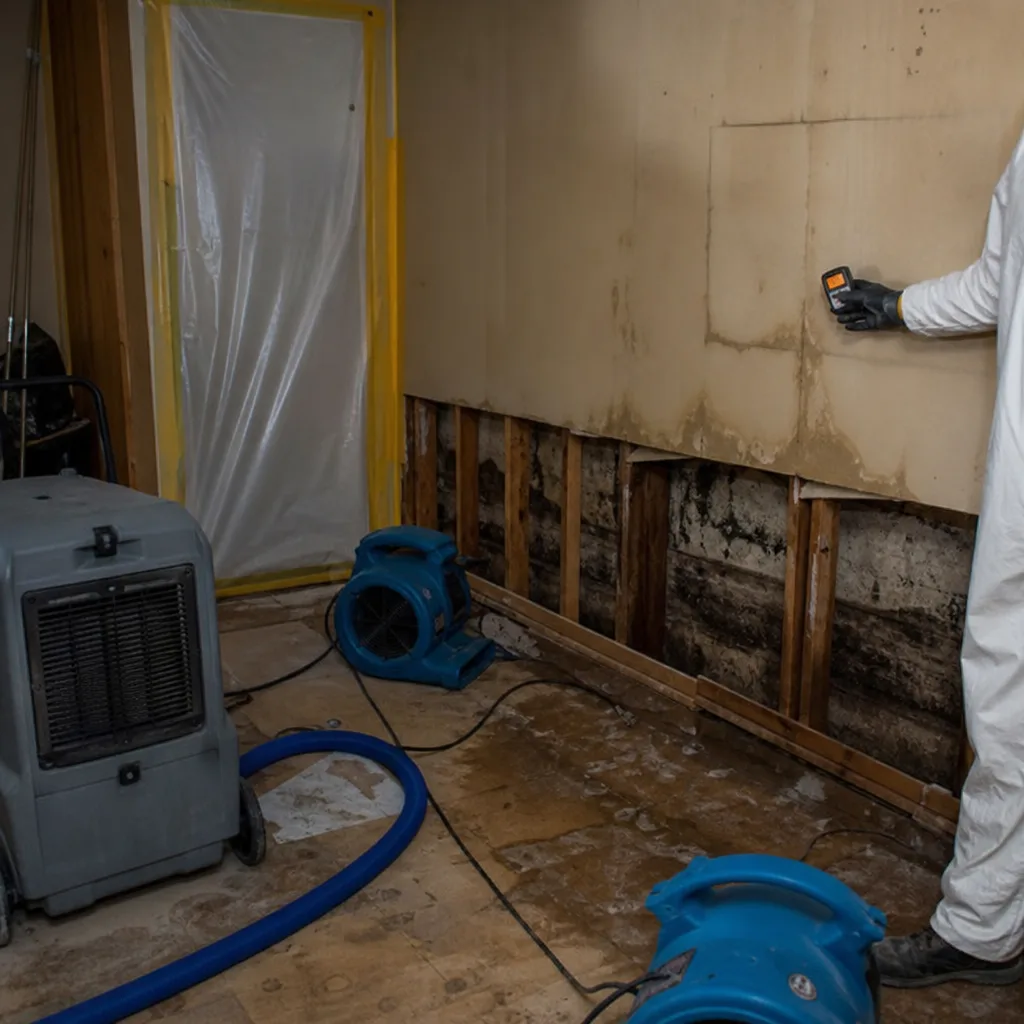 Before
 After
After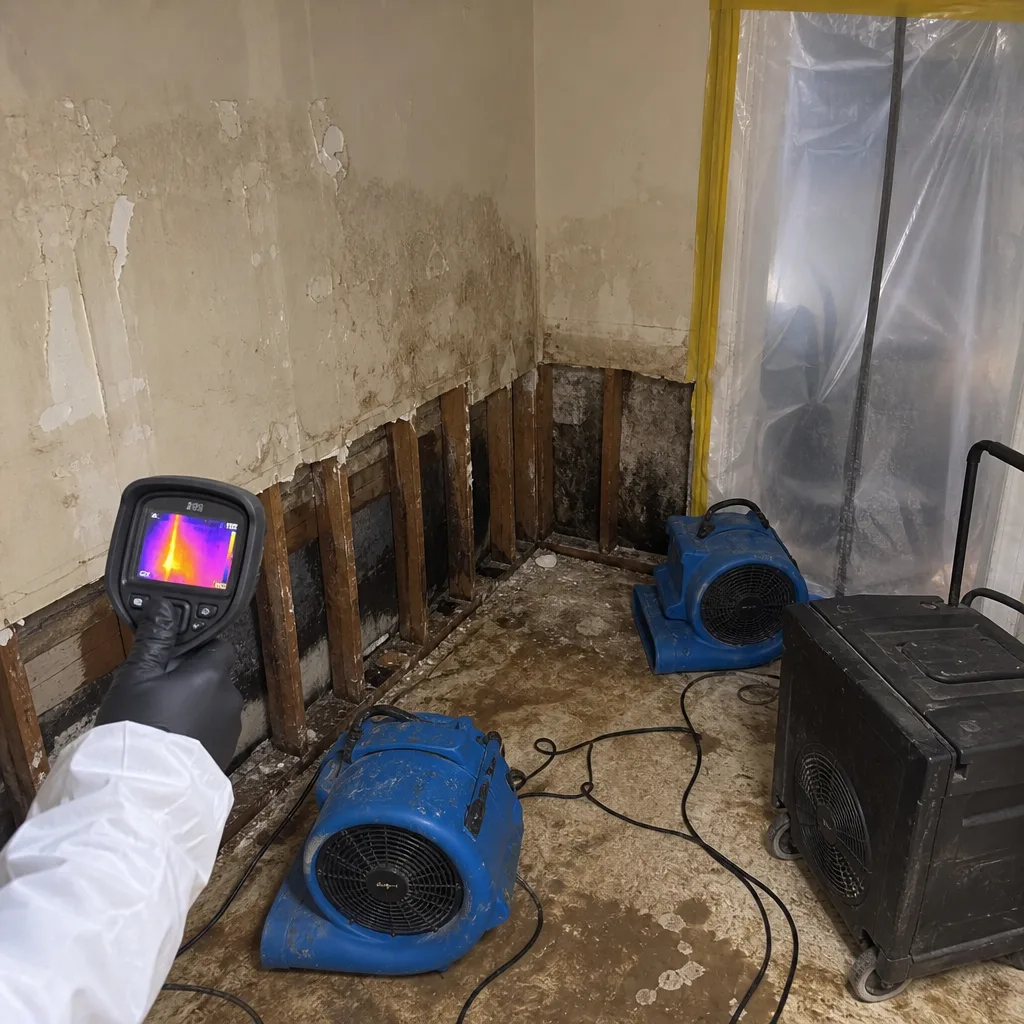 Before
 After
After24/7 Emergency Sanitization Services in West New York
Sanitization services in West New York typically run $250-$650 for a single-unit deep disinfection and $1,200-$4,500 for a multi-floor, post-water-loss decontamination involving shared chases and plaster-over-masonry walls. When a roof drain clogs in a six-story brick building on 60th Street, contaminated water doesn’t stay in one apartment. It travels down interior wall cavities through every floor. That means sanitization here is rarely a one-room job. It’s a building-scale response, and it has to start fast. Call Wade’s Restoration at (201) 740-2235 any hour. A real person answers. We have crews on the road inside West New York within 45 minutes, and the first visual inspection costs nothing.
What happens when you call
- 1
A real person answersNo phone trees - you reach a local pro.
- 2
You get an upfront price rangeHonest numbers before anyone is dispatched.
- 3
A background-checked tech heads outLicensed & insured, dispatched right away.
- 4
You approve before work beginsNothing starts until you say go.
Understanding Sanitization Services Severity in West New York Properties
Most West New York sanitization calls trace back to water. The town’s four-to-six-story brick tenement and mid-century apartment buildings share internal downspout stacks and roof drains across multiple units. When one clogs, Category 2 or 3 water, the kind carrying bacteria, sewage, or both, migrates inside plaster-over-masonry wall cavities that have no vapor barrier. Those cavities hold moisture for weeks. Mold takes hold inside them, not on the surface where you can see it. By the time a resident notices staining on a second-floor hallway wall, the real contamination may have started three floors up. We classify sanitization scope by water category, affected square footage, and whether shared building systems, ducts, or chases are involved. A Category 1 clean-water spill in a single unit on Boulevard East is a different job from Category 3 sewage tracking through five floors of a pre-war building near Park Avenue. The second job requires containment on every affected floor, commercial-grade air scrubbers, antimicrobial fogging in shared chases, and lab-backed clearance testing before tenants return to occupied spaces. In West New York’s densely packed buildings, we treat adjacency as part of the affected area. That’s not standard practice everywhere. Here, it’s the only honest approach.
Why West New York Property Owners Choose Wade’s Restoration
- 45-minute response, verified. We’re already in the area. When you call about a contaminated unit on 57th Street or a flood in the lower tier near the river, Wade’s crew heads out immediately. No waiting on a call center in another state.
- A live person answers, every time. Wade Ferris carries his own phone. Calls at 2 a.m. get answered by a person, not a queue. You’ll talk to the guy whose name is on the truck.
- IICRC-certified crews. Our team carries WRT and AMRT certifications. That matters when the job involves Category 3 water and antimicrobial treatment inside occupied apartment buildings.
- Free visual inspection. Before anyone touches anything, we walk the unit, the hallway, and the floor above with you. You hear what we’re seeing, and you get a written scope before work starts.
- Direct insurance billing. We document everything from the first moisture reading, then we deal with the adjuster directly. You’re not relaying messages between your carrier and our crew.
- One team, start to finish. From the first extraction to fogging, drying, and any repairs needed to shared chases, we stay on the job. No handoffs to a sub you’ve never met.
Our Sanitization Services Process
Inspection & Assessment
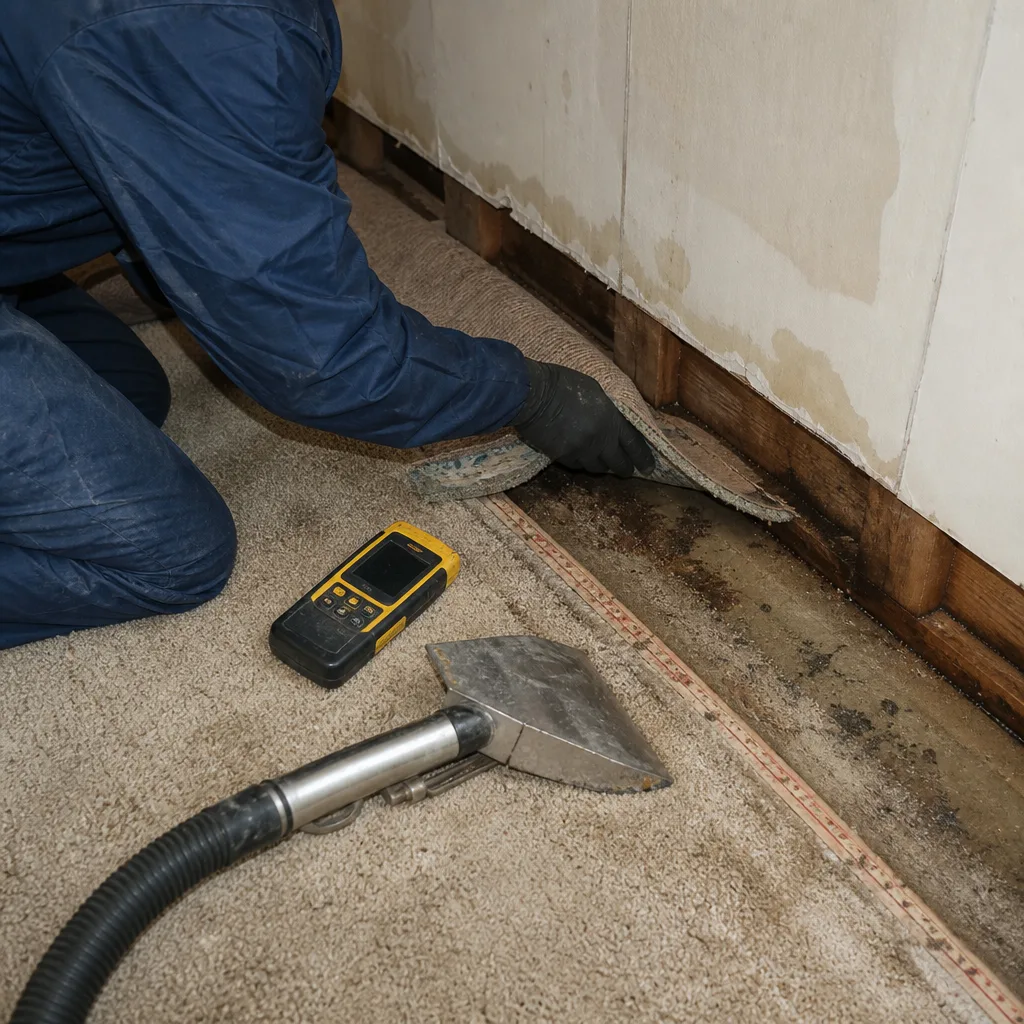
We start with thermal imaging and moisture meters, not assumptions. In West New York’s brick buildings, water hides inside plaster-over-masonry walls. We map every affected unit, the shared chases, and adjacent apartments. You get a clear picture of what’s actually contaminated before any work begins.
Extraction & Stabilization
Standing water comes out first. We use truck-mounted and portable extraction units sized for apartment access, which matters when the job is on the fifth floor of a pre-war building with one elevator or none. Contaminated materials are bagged and removed under containment.
Drying & Dehumidification
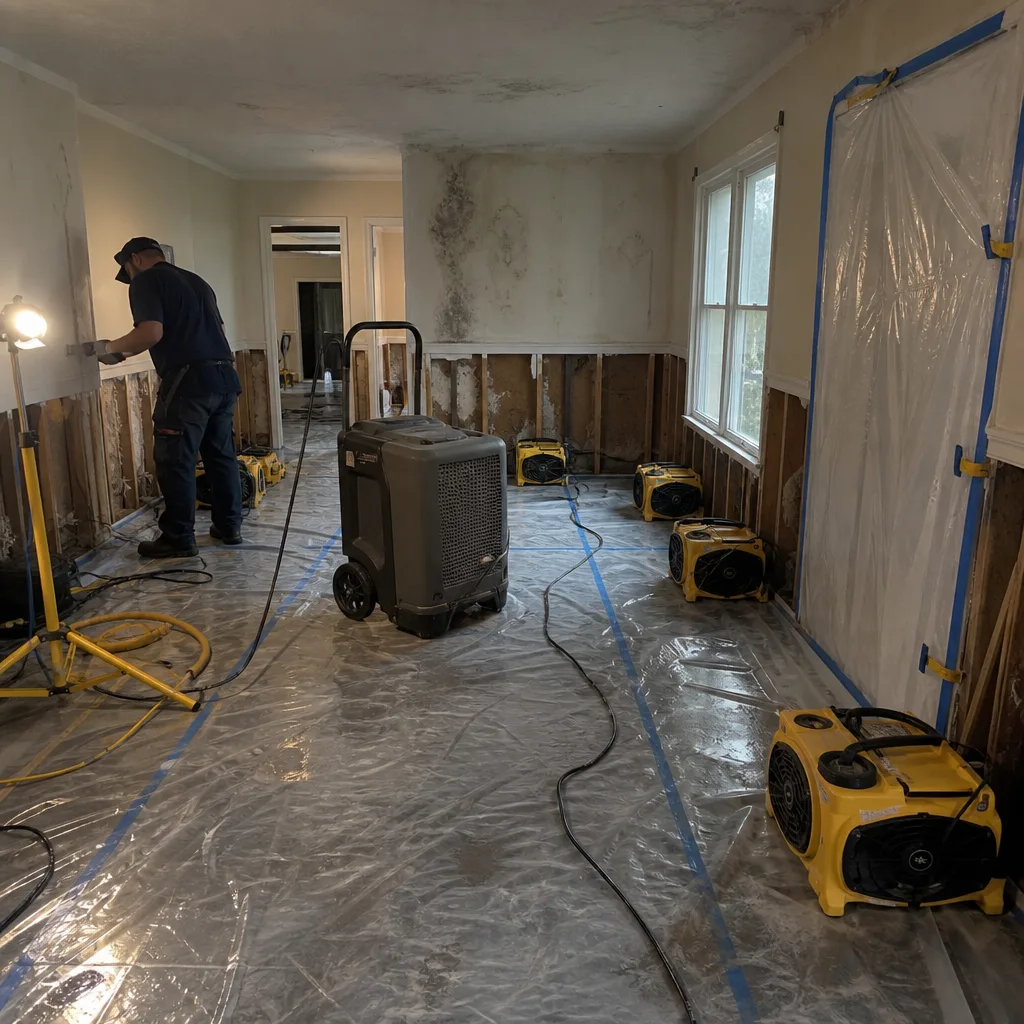
Air movers and dehumidifiers from XPOWER and B-Air go into affected units and any shared chases that took water. In buildings without vapor barriers, this phase is non-negotiable. We take moisture readings daily and hand you the full log when the job closes. Almost nobody does that. We do.
Cleaning & Sanitization
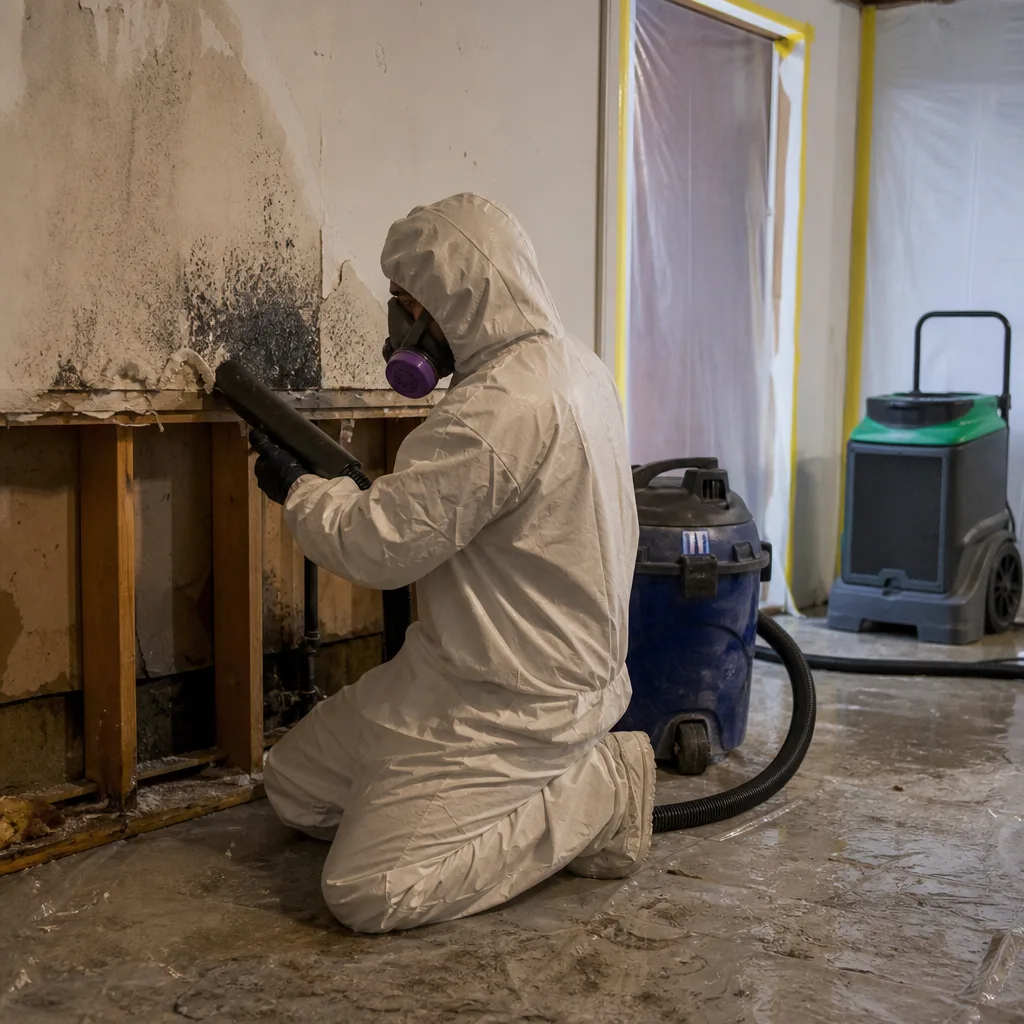
All affected surfaces get cleaned with antimicrobial products matched to the water category. In post-illness or sewage jobs, this includes HEPA vacuuming and wiping every surface, not just the obvious ones. Shared hallways and stairwells get treated when the contamination moved through them.
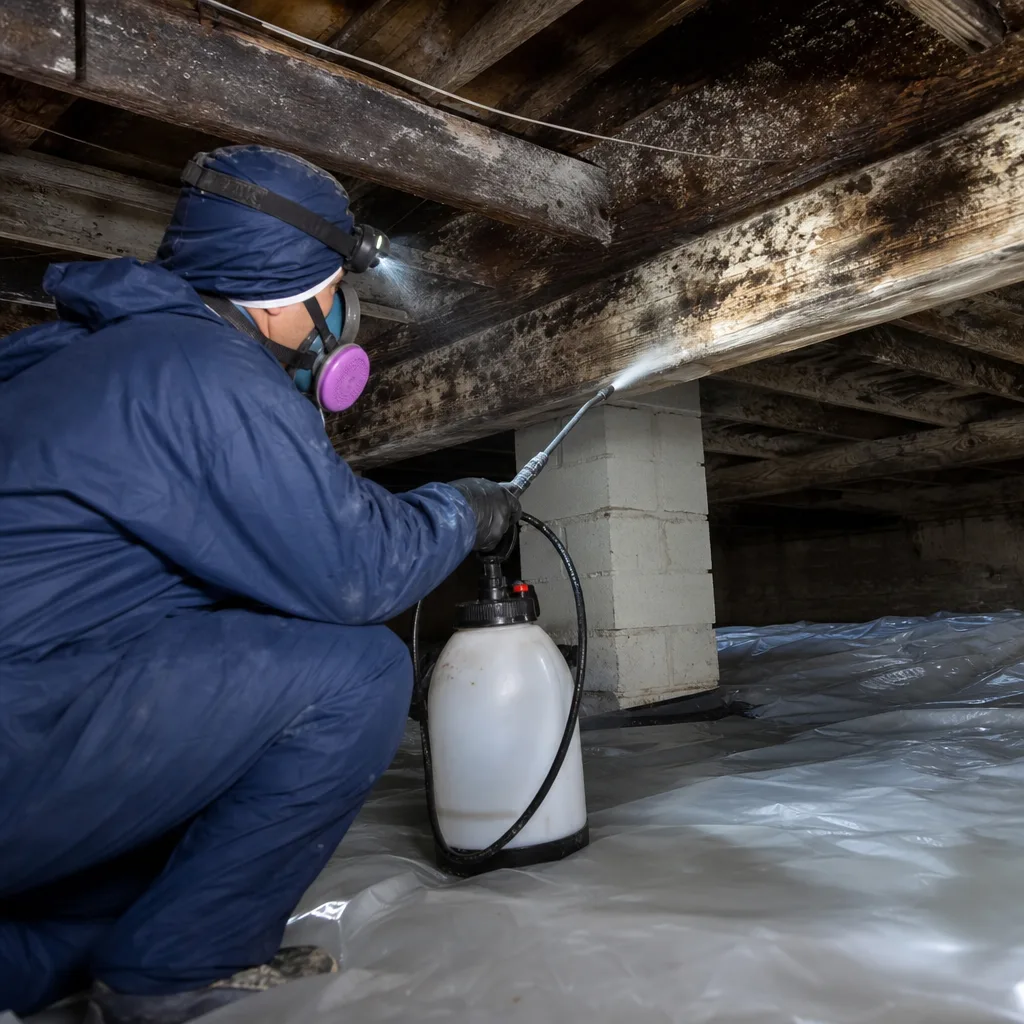
Specialty Treatment: Fogging & Duct Sanitization
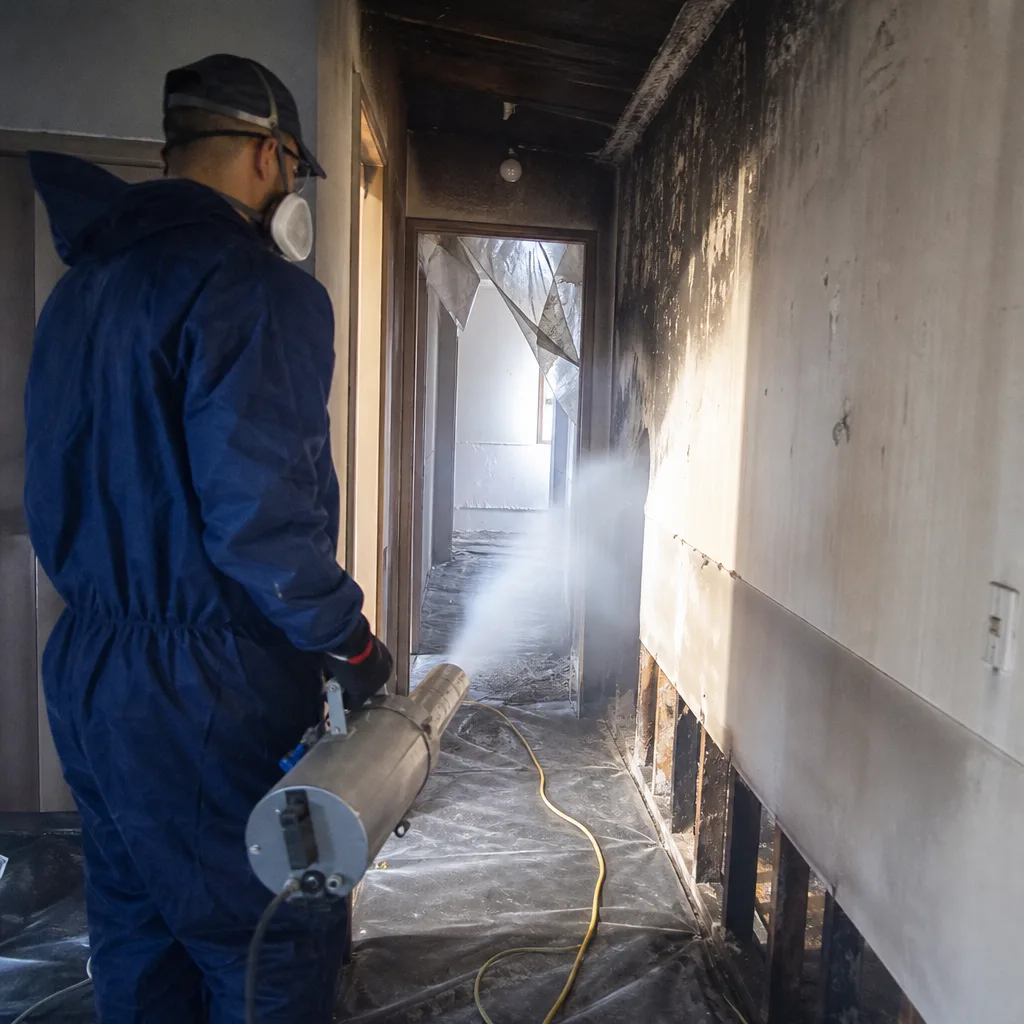
For dense apartment buildings, we run commercial-grade fogging equipment through units and corridors. This is different from the residential foggers sold online. We also sanitize shared air ducts when the building’s returns recirculate between units, which most pre-war buildings in West New York do.
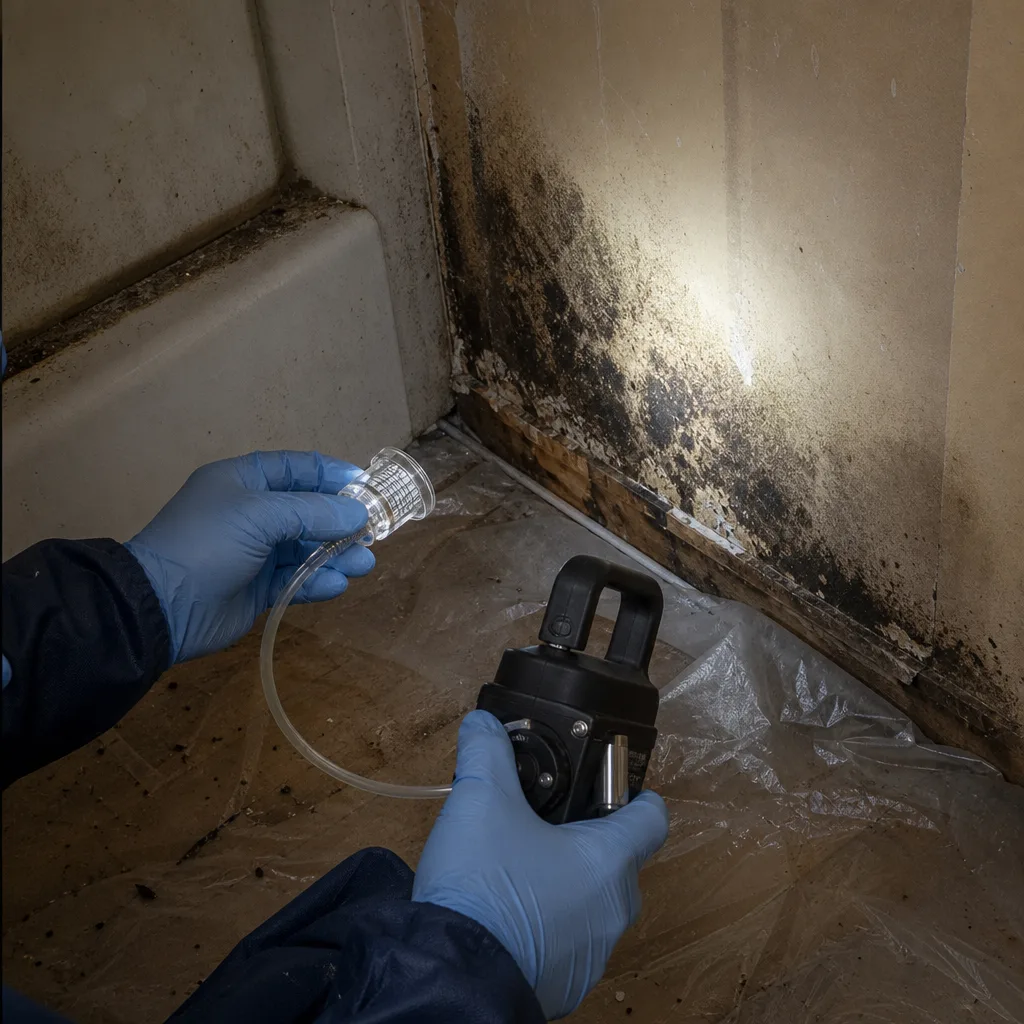
Repairs & Restoration
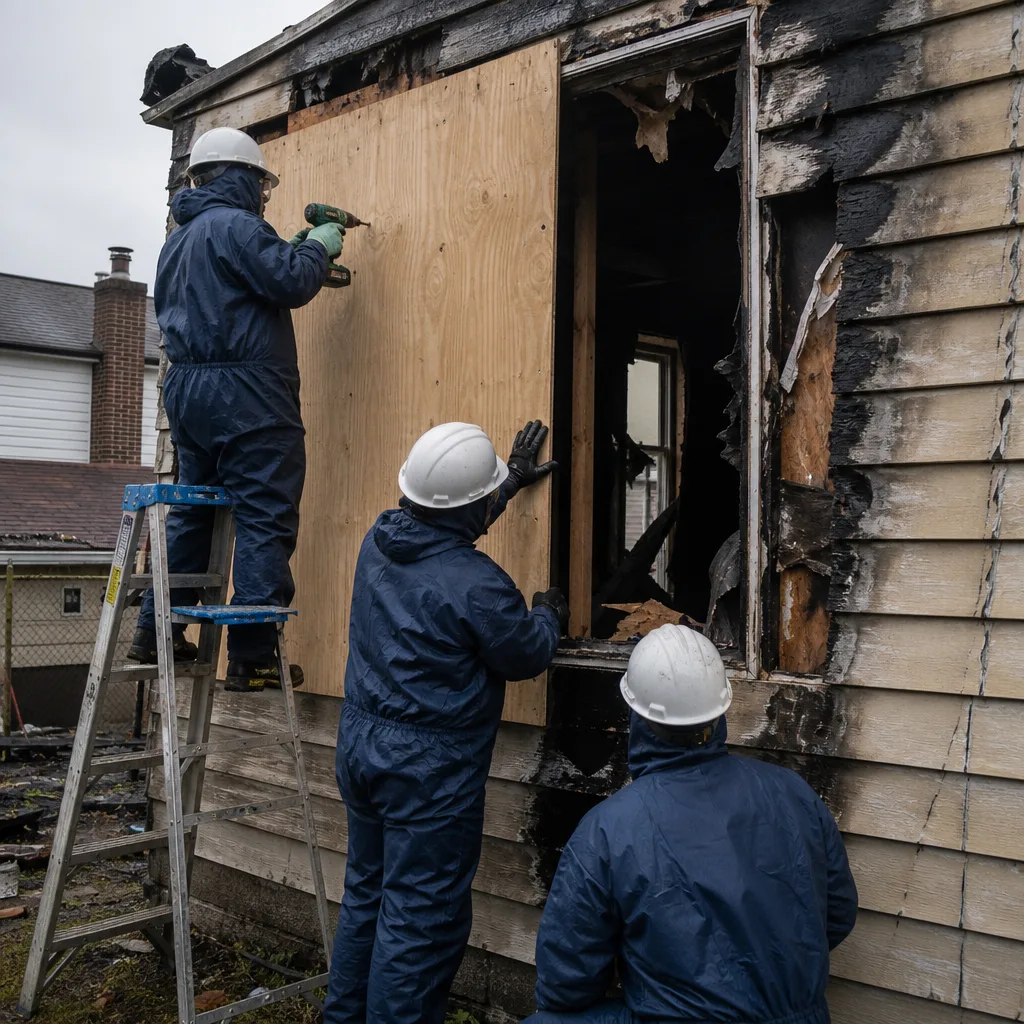
After sanitization, any drywall, plaster, trim, or flooring that couldn’t be saved gets rebuilt. If a shared downspout or roof drain caused the loss, we coordinate the building-level repair so the same problem doesn’t send you back to square one next winter.
Need Emergency Sanitization Services in West New York Now?
Crews minutes away, answering live 24 hours a day. The sooner we start, the less it costs.
Working With Your Insurance Company
Sanitization claims in West New York get complicated fast. One roof drain clog can touch three tenants, one landlord, and three separate policies. We document from the first hour because that’s what makes or breaks a claim. Every affected unit gets photos, moisture readings, and a line-item scope. We talk to the adjuster directly, so the landlord and tenants aren’t passing spreadsheets back and forth. When an adjuster asks why a second-floor unit needed treatment for a leak that started on the fourth floor, we show them the moisture log from the shared chase. That’s the difference between a covered claim and a denied one.
What We Provide Your Insurer
- Thorough documentation of the loss
- Photos of all damage, room by room
- Moisture readings and drying logs
- A detailed, line-item scope of work
- Direct coordination with your carrier
Built for West New York’s Loss Calendar
West New York’s sanitization calls follow a pattern, and it’s tied to the town’s older building stock and riverfront geography. January deep freezes burst aging galvanized supply lines inside shared walls, and the water that follows is clean until it sits, then it becomes a contamination risk. Spring thaw exposes roof drain blockages that turned to ice in February, sending meltwater through internal downspouts and into wall cavities. Summer thunderstorms overwhelm shared drainage systems that were never designed for today’s storm intensity. The lower tier near the Hudson, the same zone that took direct surge during Sandy, remains vulnerable to river flooding. Wade’s Restoration has responded to sanitization calls in every season here. The common thread is this: in dense brick buildings, a small water event becomes a broad contamination event faster than anyone expects. Acting on the first sign, a damp smell in a hallway, a stain on a ceiling, is almost always cheaper than waiting.
Sanitization Services Across West New York’s Neighborhoods
The lower tier of West New York, the blocks between River Road and the Hudson, deals with a different set of sanitization problems than the top of the Palisades. Down near the water, buildings are closer to the surge zone, and basements flood more readily during heavy rain or river events. Our crews take River Road north or south to reach these jobs quickly, and we know which buildings have shared sump systems that back up across multiple units. Up on Boulevard East and the streets running off it, the issues are more often roof drains, parapet failures, and old plumbing stacks. A six-story pre-war building on 60th Street near Park Avenue has the same internal downspout vulnerabilities as a four-story walk-up on 54th Street. In the commercial stretches near Bergenline Avenue, sanitization calls often involve mixed-use buildings where a restaurant or storefront below shares air returns with apartments above, which changes the scope of air duct sanitization. We’ve also worked buildings near Miller Stadium and the streets around James J. Braddock Park, where the housing stock is slightly newer but still dense multi-family. None of these areas behave like a single-family suburb where one house equals one contained problem. In West New York, every sanitization job is a building-scale conversation.
Why West New York’s Old Buildings Change Everything
West New York is one of the most densely populated square miles in the United States. The housing stock is overwhelmingly pre-war and mid-century brick apartment buildings, four to six stories, with plaster-over-masonry walls, aging plumbing in shared vertical chases, and flat or minimally pitched roofs. Here’s what that means for sanitization. When a roof drain clogs in one of these buildings, water doesn’t pool visibly on a roof. It enters the internal downspout stack and travels downward inside the building. That water passes through every floor, wetting wall cavities, insulation, and sometimes ceiling assemblies as it goes. By the time a tenant on the second floor notices a stain, Category 3 water has already tracked through the third, fourth, and fifth floors. The water doesn’t care about unit lines. The contamination doesn’t either. This is why a single-unit sanitization call in West New York almost always becomes a multi-floor project. We’ve seen it repeatedly. And this is exactly why national franchises with a suburban playbook struggle here. Our full Sanitization Services team is built around this reality, because treating only the visibly wet unit in a West New York building while skipping moisture mapping in adjacent apartments is how you miss the real damage.
Our crew was called to a six-story pre-war brick building on 60th Street after a shared roof drain clogged, and Category 3 water had tracked down interior walls from the top floor to the second. We set containment on each affected floor, logged moisture readings through plaster-over-masonry walls, and ran air movers and dehumidifiers in the tight shared chases where vapor barriers don’t exist, then fogged with an antimicrobial treatment and documented drying logs for three separate tenant insurance claims. That’s not a hypothetical. That’s a Tuesday in West New York.
Specialized Sanitization Services We Offer in West New York
Deep Disinfection
Deep disinfection in West New York apartments means treating every surface in the affected unit and any shared hallway or stairwell the contamination touched. In post-flood scenarios, we’re dealing with bacteria left behind by Category 2 or 3 water. In post-illness situations, we’re targeting pathogens on high-touch surfaces. Both require systemic treatment, not spot sprays. Our crews wipe, treat, and fog every surface, including door frames, light switches, and the inside of closets. In dense buildings where tenants share entryways and laundries, that thoroughness protects the whole floor, not just one unit.
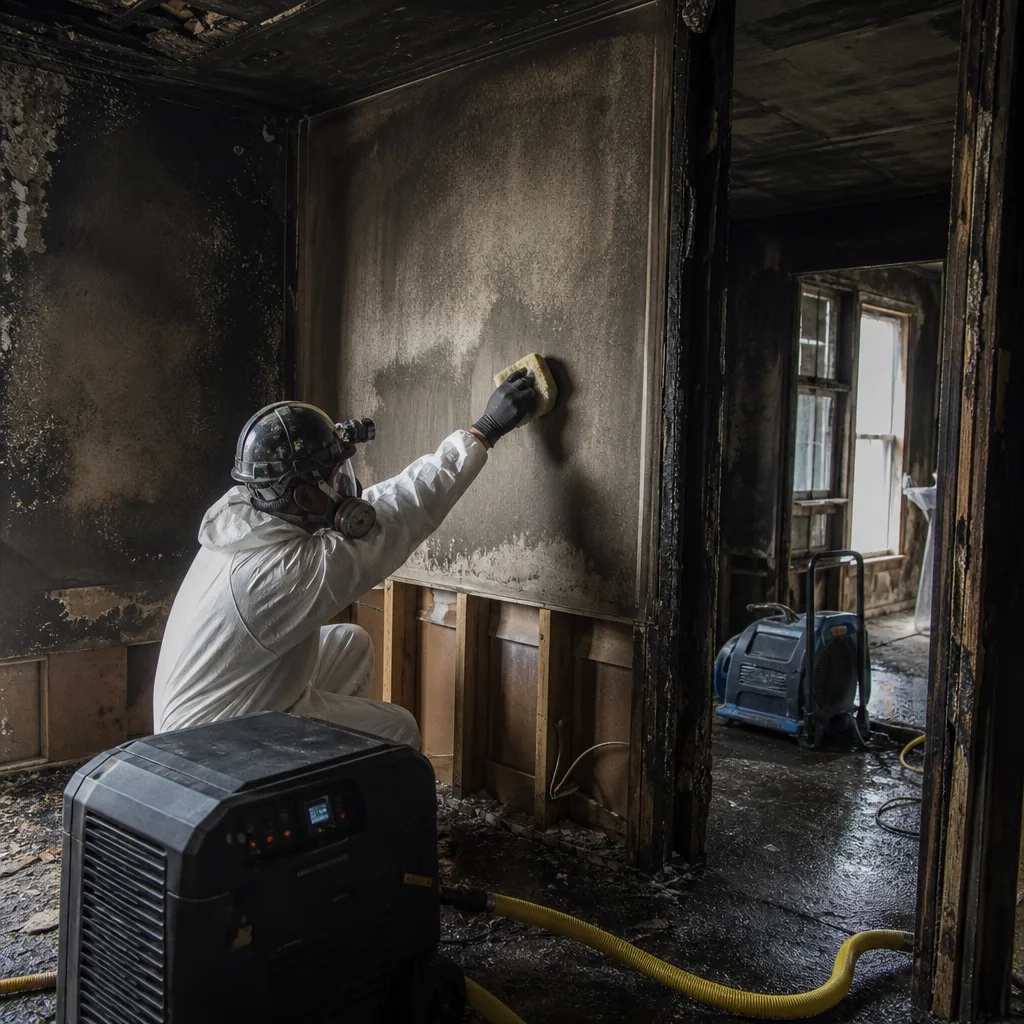
Virus & Bacteria Decontamination
Virus and bacteria decontamination in a pre-war building with no vapor barriers presents a problem newer construction doesn’t. Masonry walls absorb moisture and hold it. If a contamination event involves body fluids or sewage, that moisture can carry pathogens into porous plaster. We treat this with a combination of surface disinfection, HEPA air scrubbing, and antimicrobial fogging. In buildings where shared air returns recirculate between apartments, we also recommend treating the duct runs. A unit can be perfectly disinfected and then re-contaminated by air from the apartment next door within a week. That’s not a gamble worth taking.
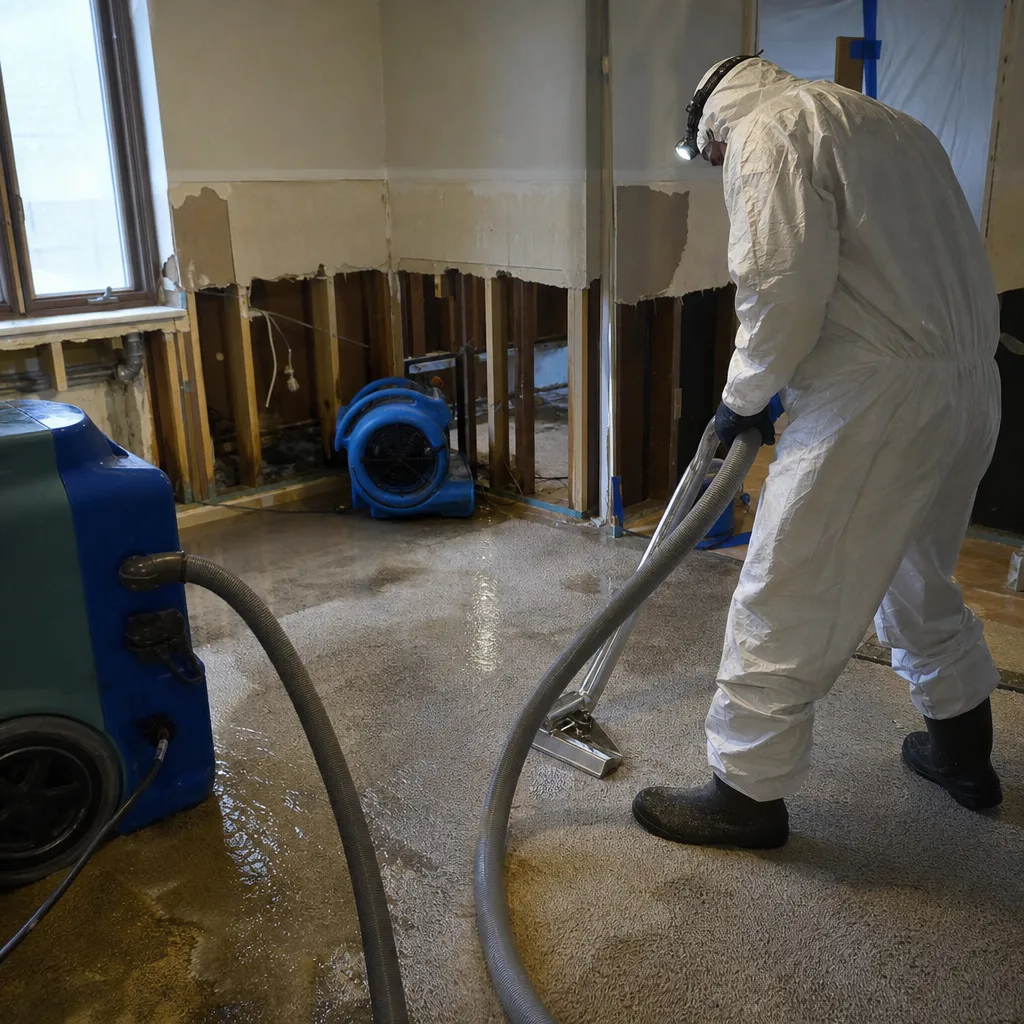
Odor Neutralization
Odor after a Category 3 water loss in West New York often lives inside wall cavities and shared chases, not in the room where the smell is strongest. Deodorizing sprays mask it for a few days. The smell comes back when the humidity rises. Our odor neutralization approach pairs drying with treatment. Once the moisture source is gone, we address the odor at the material level. In brick buildings, that often means treating inside opened wall cavities, the shared chase itself, and sometimes the back side of plaster on the floor below. When a single roof drain clog sent Category 3 water through five floors, the odor is a building-wide problem, not a one-unit one. We treat it that way.
Air Duct Sanitization
Most pre-war apartment buildings in West New York use shared air returns that connect multiple units to a common riser. When contamination gets into one unit, the building’s mechanical system can spread it. Air duct sanitization here means treating shared ducts, not just the vents in one apartment. We use commercial-grade equipment designed for this type of work. In a single-family home, duct sanitization is often optional after a water loss. In a six-story West New York building, it’s frequently the difference between a one-time cleanup and a recurring contamination problem across multiple floors.
Commercial-Grade Fogging
The fogging equipment sold for residential use doesn’t cut it in West New York’s tenement halls and stairwells. Shared air returns and minimal attic space mean pathogens move between units quickly. Commercial-grade fogging treats entire corridors, stair runs, and the common areas where tenants from different apartments share air. We use professional-grade equipment sized for dense multi-family buildings. When we fog a floor of a pre-war building near Bergenline Avenue after a sewage backup, we’re treating the air the whole floor breathes, not just one apartment. That’s a different service than a $99 residential fogging. It needs to be.
Sanitization Services Costs in West New York, NJ
A single-unit deep disinfection in West New York typically runs $250-$650. That covers a two-bedroom apartment with no water damage, just surface decontamination after illness or a minor contamination event. Commercial-grade fogging for a whole floor of a multi-unit building runs $800-$1,800, depending on square footage and how many common areas need treatment. Air duct sanitization where shared returns connect multiple units runs $400-$1,200 per riser. A full multi-floor sanitization after a Category 3 roof drain loss, with containment, extraction, drying, antimicrobial treatment, and documentation for multiple insurance claims, runs $1,200-$4,500 and can go higher when shared chases and multiple units are involved. The biggest price mover in West New York is building type. A job in a four-story brick walk-up with one roof drain is more complex than a job in a suburban house, and it costs accordingly. Call (201) 740-2235 for a free visual inspection. We’ll walk the affected area, explain what we’re seeing, and put a firm scope in writing before any work starts. The free inspection is the fastest way to know what you’re actually dealing with.
We Also Serve Cities Near West New York
If you own property outside West New York, we respond to sanitization calls across the nearby area. We regularly serve Weehawken, Jersey City, Hoboken, and Union City. Each town has its own building stock and loss patterns, but the same team that knows West New York’s pre-war buildings handles the work. Call (201) 740-2235 and we’ll tell you if we can get a crew to your building quickly, usually within the hour from our Sanitization Services dispatch in West New York.
Serving West New York, NJ - Our Local Coverage Area
We’re based in the West New York area and know this community well. Use the map below to see our service coverage - if you’re nearby, we can almost certainly help.
West New York Sanitization Services Questions, Answered
How does sanitizing a West New York apartment building handle shared air ducts between units?
Shared air ducts are treated as part of the contamination path, not as standalone components. In pre-war buildings where a common riser moves air between units, we sanitize the duct runs serving every affected apartment plus the common riser itself. Skipping this step means a decontaminated unit gets re-contaminated by air from the apartment next door. Call (201) 740-2235 and we’ll assess whether your building’s air returns are shared and what that means for the scope.
What’s different about post-illness cleanup in a pre-war West New York apartment with plaster-over-masonry walls?
Plaster-over-masonry walls absorb moisture and hold it longer than drywall over stud framing. In a post-illness cleanup, that means pathogens can linger in porous surfaces that look clean. We treat the walls with antimicrobial products, not just wipe them down. In dense apartment buildings, we also recommend treating shared hallways and common surfaces, since tenants from multiple units touch the same door handles and stair railings. The goal is to clear the environment, not just the visible surfaces.
Can you sanitize after a burst pipe in a unit when the water has tracked through shared chases to other floors?
Yes. That’s one of the most common scenarios we handle in West New York. We don’t just sanitize the unit where the pipe burst. We moisture-map the shared chases and adjacent apartments to find every affected area. Then we set containment, treat each affected floor, and document everything for the separate insurance claims that usually follow. Treating only the source unit in a building with shared chases almost guarantees a callback within weeks.
How do you handle odor neutralization when a single roof drain clog sends Category 3 water through five floors in West New York?
Odor in this scenario lives inside wall cavities and shared chases, not just in the units where the smell is worst. We open the affected cavities, dry them, and treat the materials inside. That often means working in the tight shared chases where vapor barriers don’t exist. The process takes longer than a surface spray, but it’s the only approach that prevents the odor from returning when humidity rises. We’ve done this exact job more than once.
What should landlords expect from virus and bacteria decontamination in a 6-story West New York brick building without vapor barriers?
Expect a longer timeline and a more thorough treatment than a residential cleanup. Masonry walls without vapor barriers hold moisture and can harbor pathogens below the surface. We treat surfaces, fog common areas, sanitize shared air returns, and verify the work with clearance testing. Landlords should also expect to provide access to multiple units, not just the one where the contamination originated. We coordinate with tenants directly and document everything for insurance.
How fast can you get to a sanitization emergency in West New York?
Usually within 45 minutes. Our crews are already working in and around West New York, so when you call about a sewage backup on 60th Street or a contaminated unit near Park Avenue, we’re on the road immediately. Wade Ferris answers his own phone 24 hours a day. Call (201) 740-2235 and you’ll talk to a person, not a call center.
Will my insurance cover sanitization after a water loss in a multi-unit West New York building?
In most cases, yes, when the sanitization is tied to a covered water loss like a burst pipe or roof drain failure. The key is documentation. We photograph everything, log moisture readings daily, and provide a line-item scope that shows exactly why each affected unit needed treatment. We also coordinate directly with your adjuster. When a three-floor contamination starts with one clogged roof drain, the documentation is what carries the claim.
What should I do in the first 30 minutes after discovering contaminated water in my West New York apartment?
Stop wading through it. Category 2 or 3 water carries bacteria, and walking through it spreads contamination across every surface you touch. If it’s safe, turn off the water at the source. Do not run fans or open shared hallway doors, that pushes contaminated air into common spaces. Call (201) 740-2235. We’ll tell you what to do while the crew is on the way, and we’ll be there inside 45 minutes. The first 30 minutes in a dense brick building can be the difference between one contaminated unit and a whole floor.
Written by Wade Ferris, Owner at Wade’s Restoration, serving West New York with sanitization and restoration services since 2007.
Why West New York Chooses Wade's Restoration
We set the standard for sanitization services in West New York.
Documented for Your Claim
Every job is photographed before, during and after, with moisture logs where they apply. We hand the full file to your adjuster and bill your insurance directly - you are never the one relaying it.
Licensed & Insured
Fully certified technicians who meet all local and state licensing requirements.
Upfront Pricing
No hidden fees, no surprises. You approve the price before any work begins.
Guaranteed Work
Every repair and installation is backed by our workmanship warranty and satisfaction guarantee.
How It Works in West New York
Getting your sanitization services handled is simple and fast.
Call or Request a Free Estimate
Tell us about your sanitization services needs and we provide an upfront, transparent quote - no obligation, no hidden fees.
Licensed Technician Dispatched
A background-checked, certified technician arrives in West New York - typically within 30-60 minutes, with parts stocked on the truck.
Problem Solved, Guaranteed
We complete the job to your full satisfaction, backed by our warranty and 100% satisfaction guarantee.
What happens when you call
- 1A real person answersNo phone trees - talk to a local sanitization services pro.
- 2You get an upfront price rangeHonest numbers before anyone is dispatched. No surprises.
- 3We come out and measureLicensed & insured, at a time that suits you - the visit and the quote are both free.
- 4You get the price in writingLine-itemed, yours to keep, and nothing starts until you say go.
What West New York Customers Say
Trusted by homeowners across West New York and surrounding areas.
"Same company did the dry out and then the rebuild, so there was no gap where I had to go and find a builder myself with the house half open."
"Sewer backup into the basement, which is about as bad as it gets. Full protective gear, everything porous out and bagged, sanitised properly, and you would never know now."
"He talked me through what would happen next while I was still standing in the water crying down the phone at him. That was worth as much to me that night as the equipment."
Our Work in West New York
A look at recent damage restoration projects across West New York and surrounding areas.
Ready for Sanitization Services in West New York?
Call now for a free estimate - or request one below. Licensed, insured, and here with fast after-hours help in West New York.
(201) 740-2235Request a Free Estimate in West New York
Tell us about your sanitization services needs - we'll respond within the hour.