
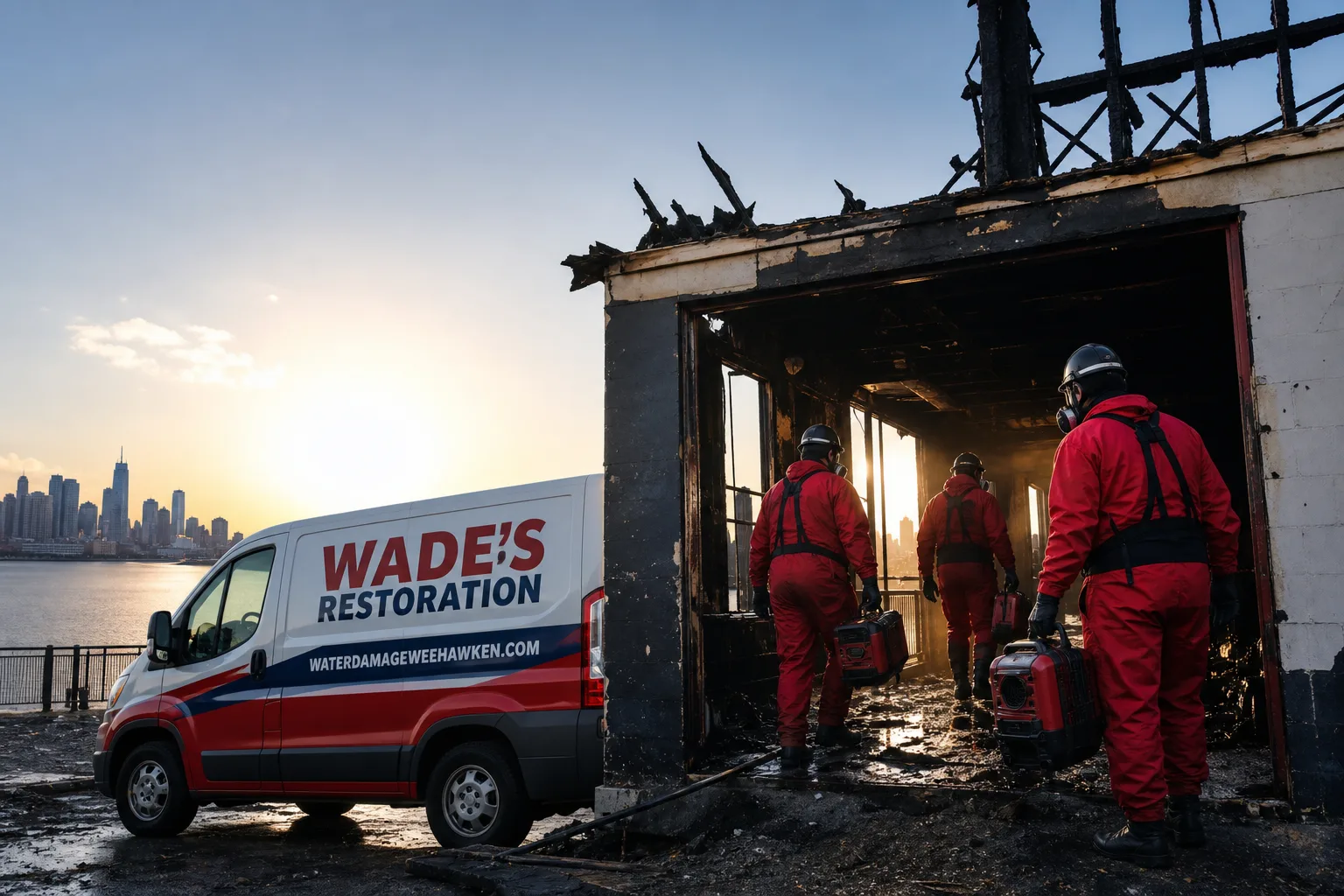
Free visual inspection and a written scope of work before any mitigation begins - photos, moisture readings, and drying logs go in your claim file
The scope we write is the scope we bill. Anything new gets shown to you, in writing, before we touch it.
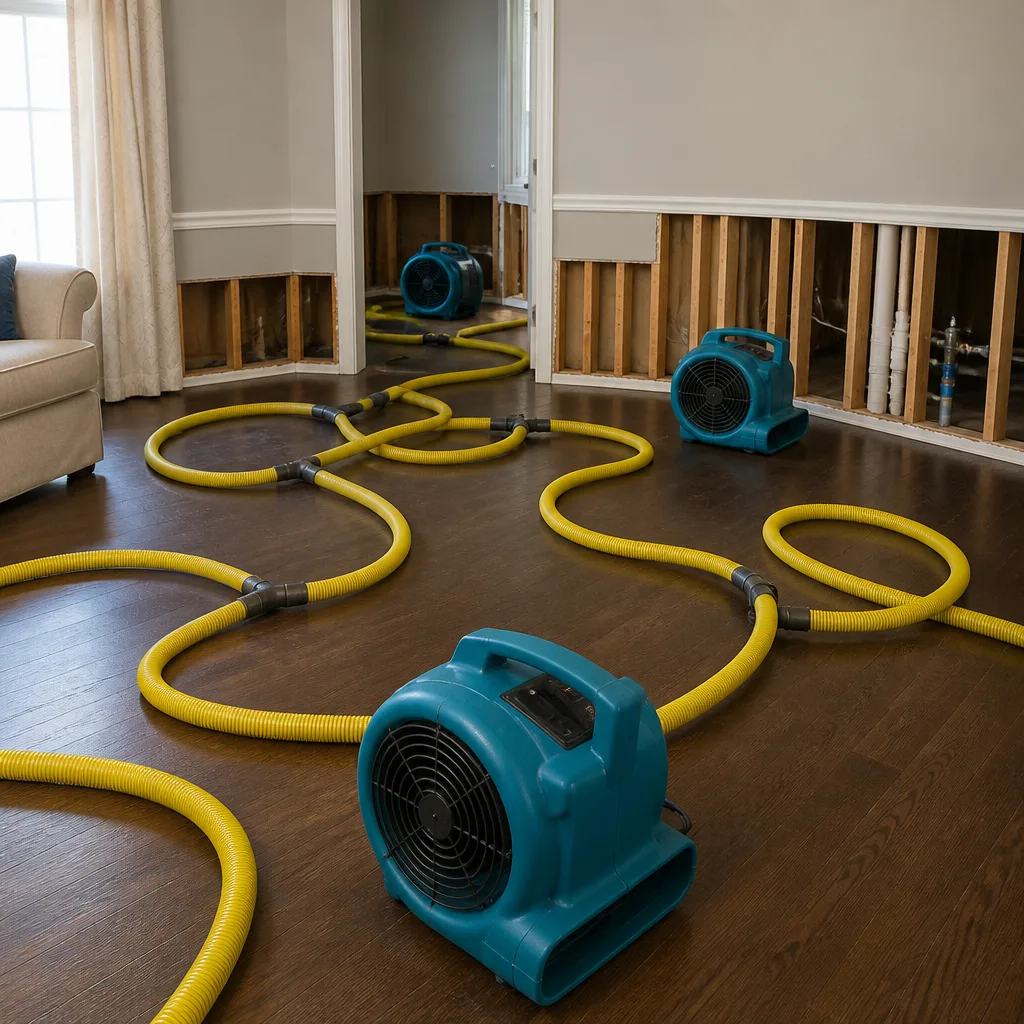
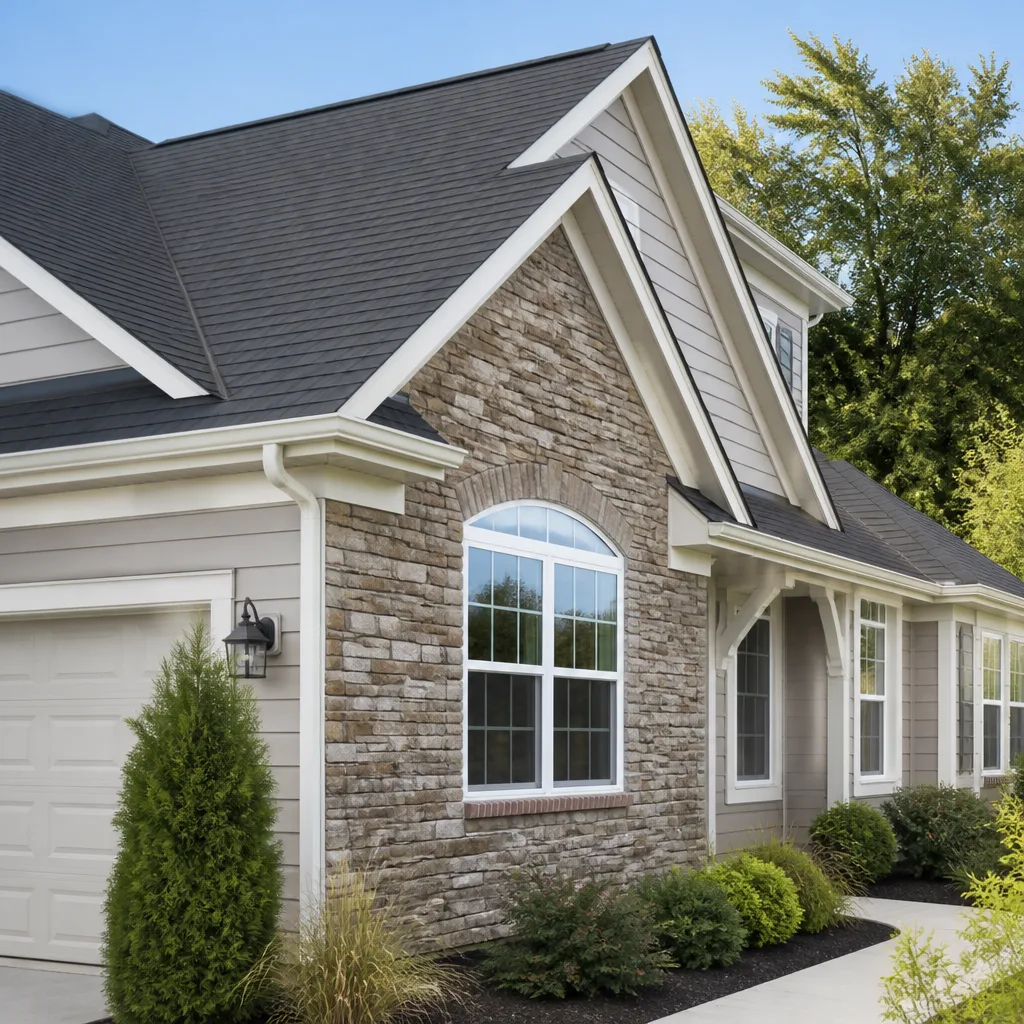
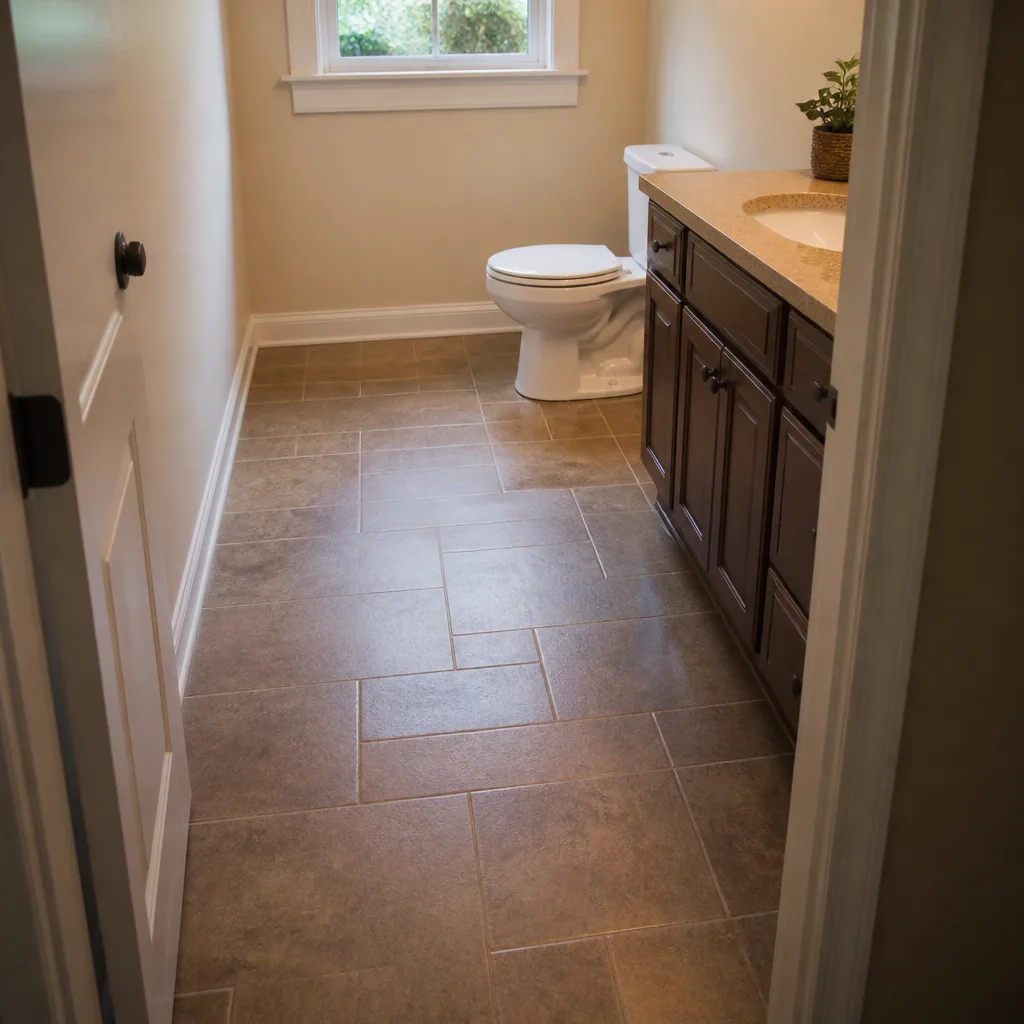
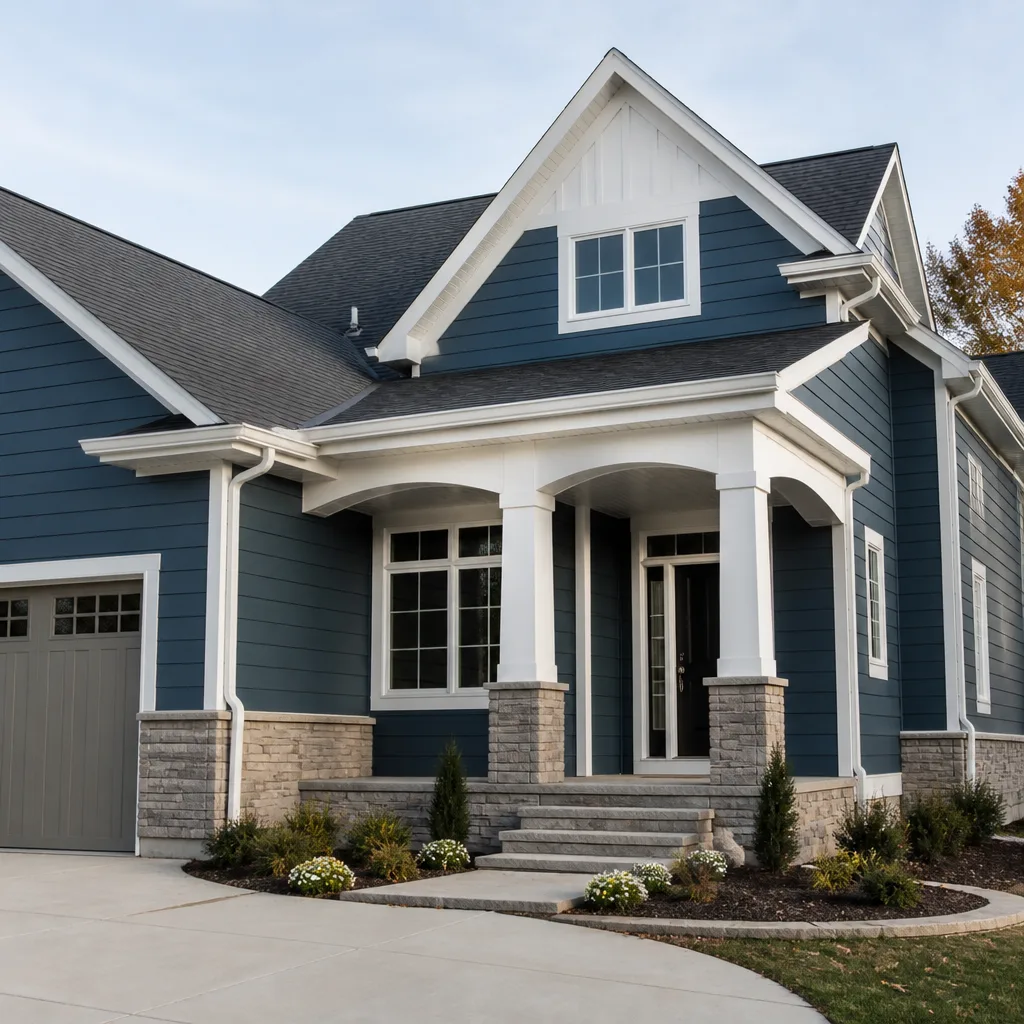
 Before
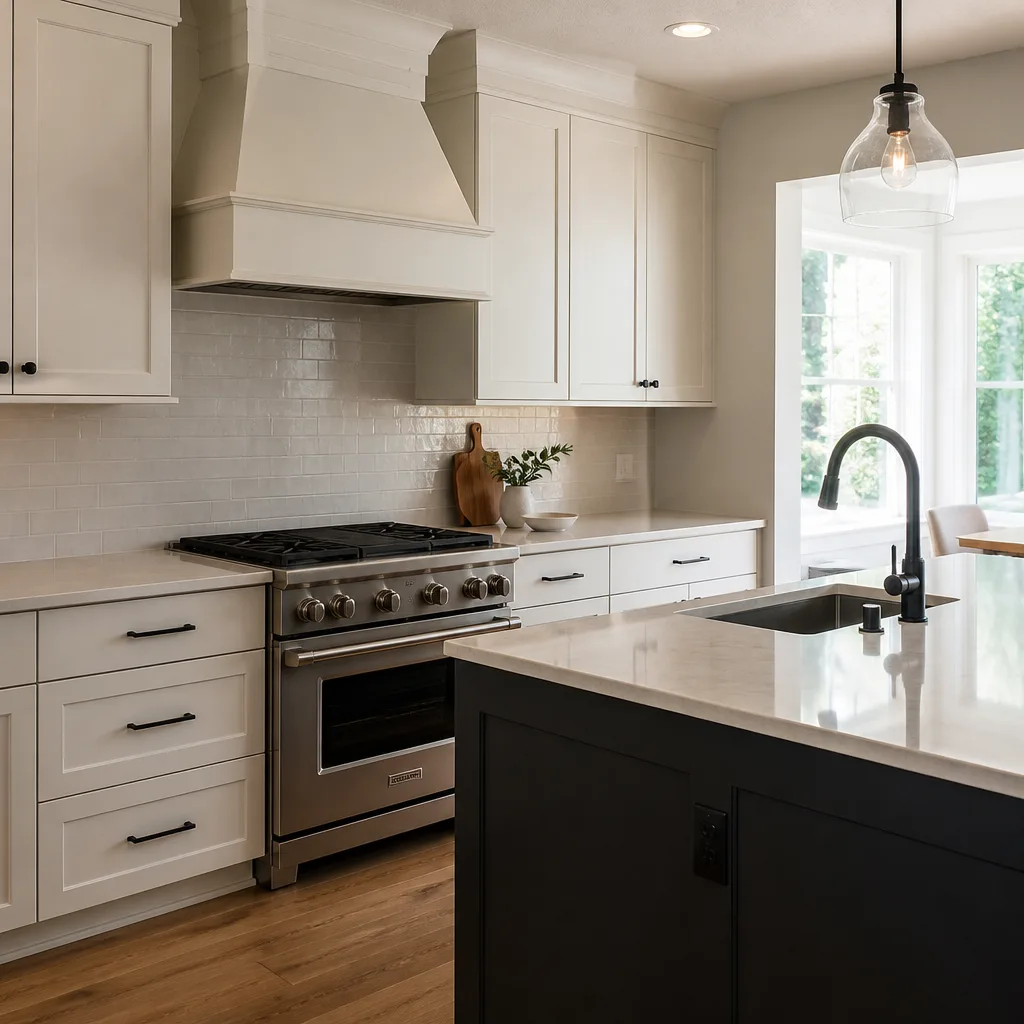
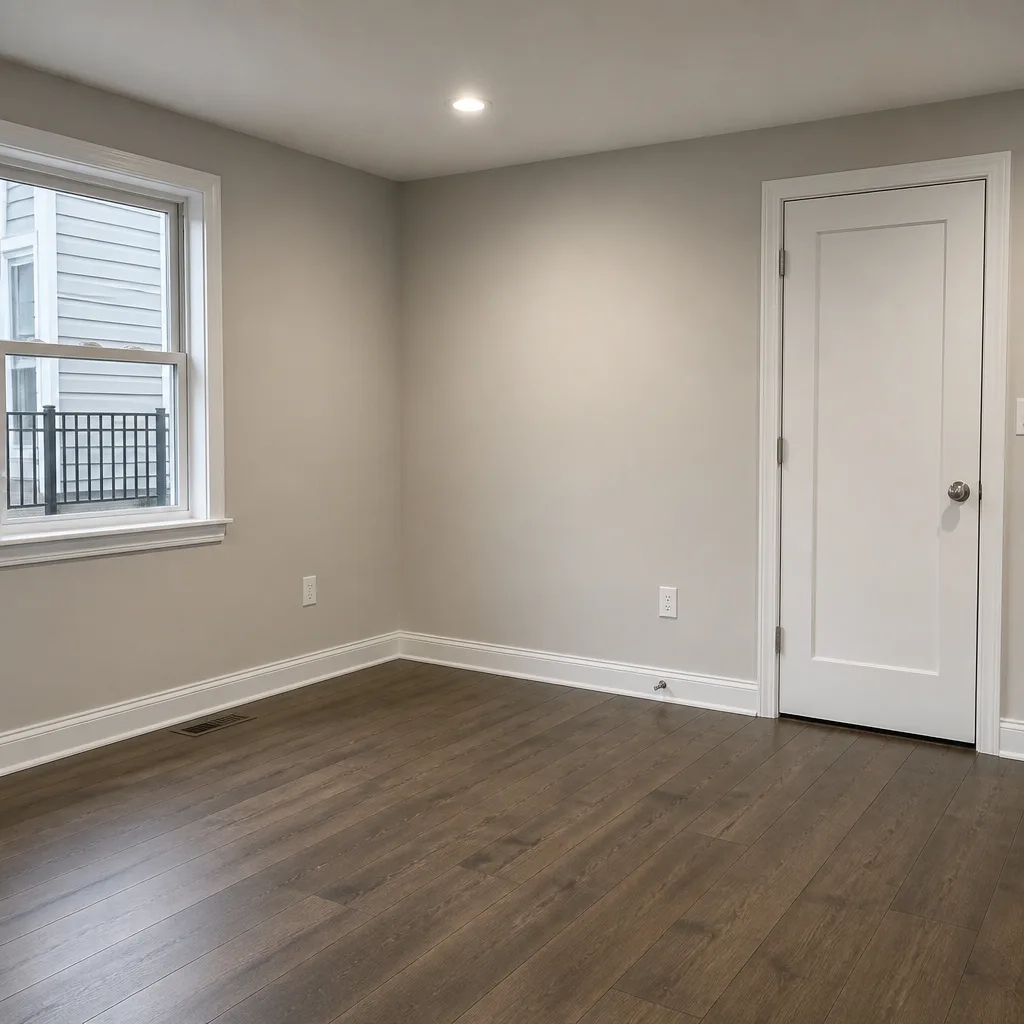 After
After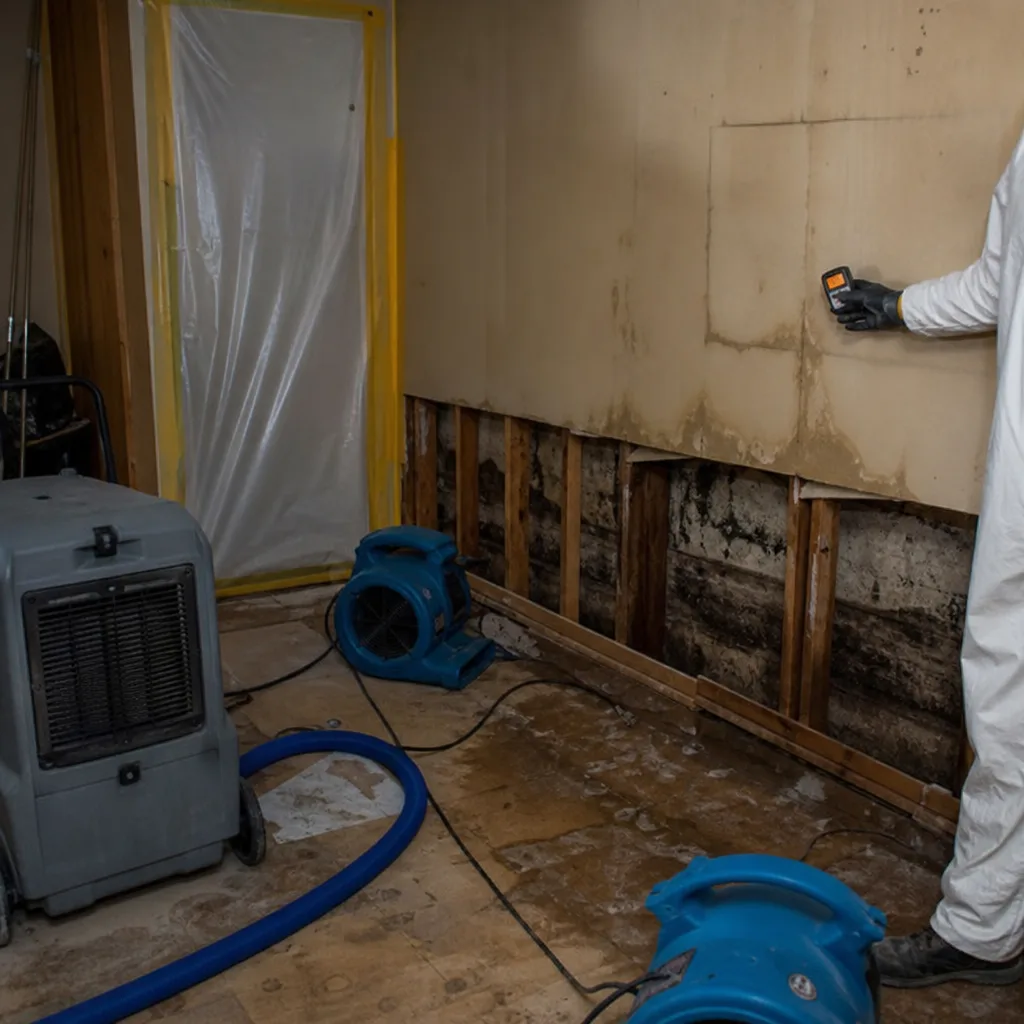 Before
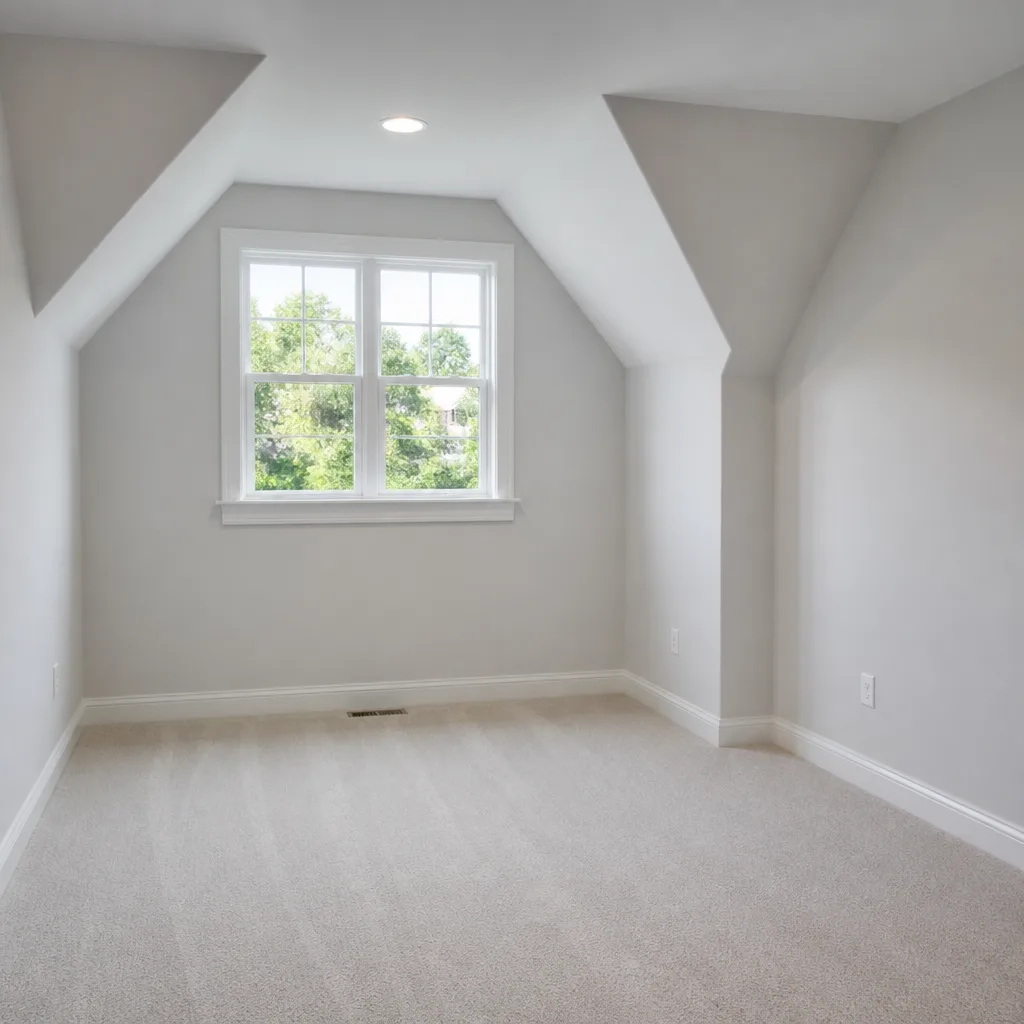
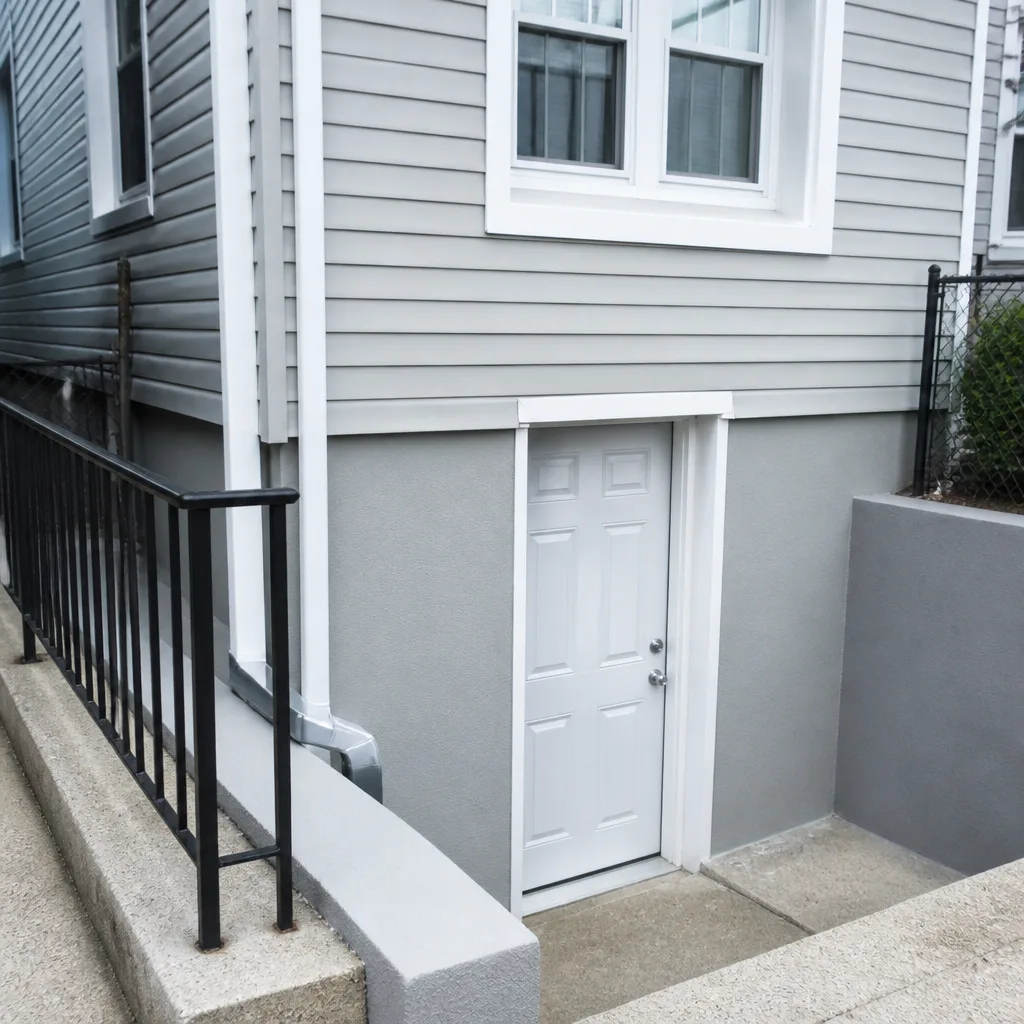 After
After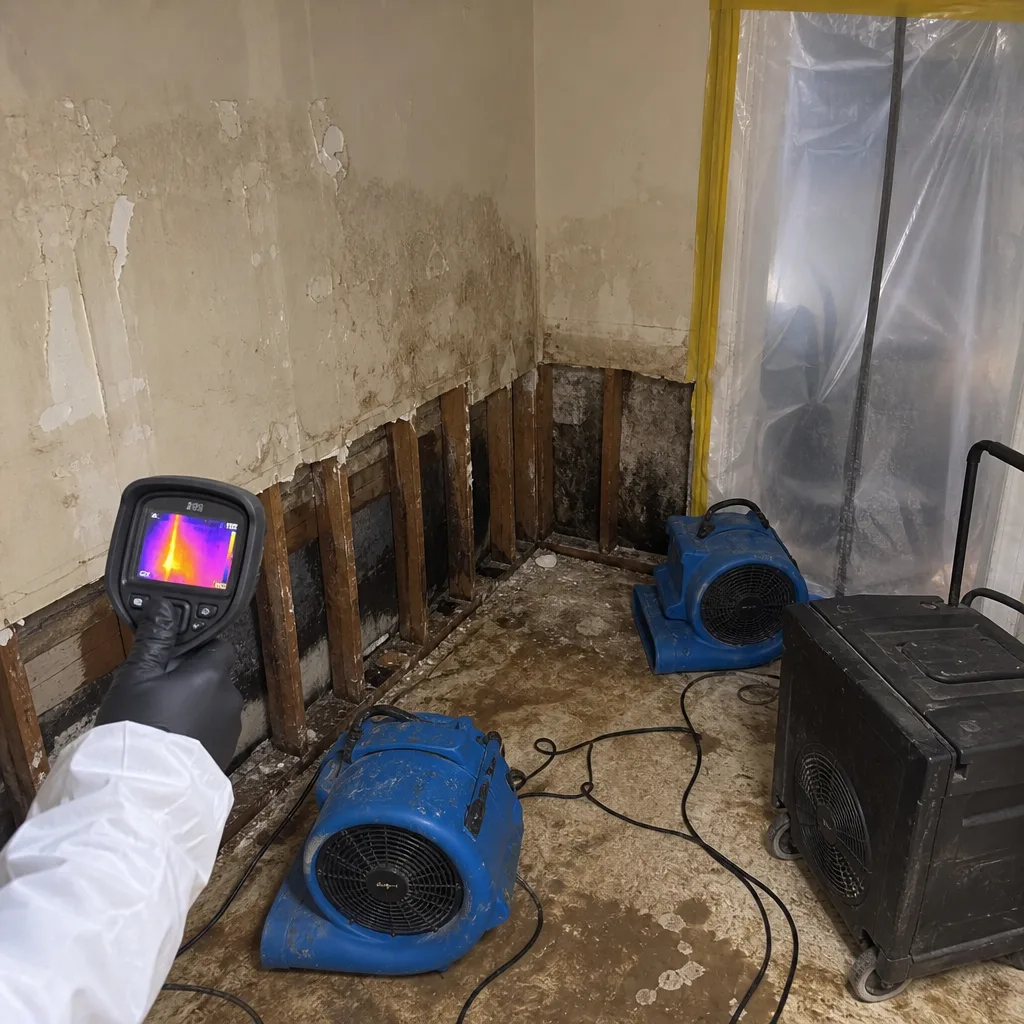 Before
 After
After24/7 Emergency Mold Remediation in Jersey City
Mold remediation in Jersey City typically runs $1,800-$6,500 depending on how far the contamination has traveled through shared row-house walls, and emergency response within 45 minutes can keep a Category 3 sewage backup from becoming a whole-block problem. When blackwater backs up through a floor drain in Greenville or Bergen-Lafayette, mold colonization starts within 24 to 48 hours. That clock doesn’t care whether the call comes at noon or 2 a.m. Wade Ferris answers his own phone at (201) 740-2235, and his crew can be on-site inside the hour with negative-air containment, moisture meters, and HEPA scrubbers. Delay in a Jersey City row house means the neighbor’s wall becomes your problem. We start with a free visual inspection and moisture mapping, then document everything before a single section of plaster comes down. That documentation matters when the insurer asks how the water got where it went.
Understanding Mold Remediation Severity in Jersey City Properties
Jersey City’s housing stock is dominated by attached brick row houses and brownstones built between the 1880s and 1930s, and that changes how mold behaves. Shared party walls are the defining variable. In a detached home, containment means sealing the affected room. In a Jersey City row house, containment may require sealing both sides of a shared wall because mold moves laterally through brick cavities, plaster keys, and floor joists that run continuously from one unit into the next. Severity starts with water category. Category 1 is clean supply water, Category 2 carries contaminants, and Category 3 is blackwater: sewage, Hudson River storm surge, or anything that touched them. Category 3 in a basement with lime-and-horsehair plaster from 1910 means full removal of saturated material, not drying. We classify every job before touching it, because treating Category 3 as Category 1 is exactly how mold hides behind original baseboards and comes back in six weeks. In buildings this old, the plaster itself is organic material. Mold doesn’t just grow on it. It grows in it.
Why Jersey City Property Owners Choose Wade’s Restoration
- 45-minute response commitment - Wade heads out as soon as he hangs up, with extraction equipment already staged on the truck. In row-house neighborhoods, that’s the difference between one unit and three.
- 24/7 live answer - you’re talking to Wade Ferris or a member of his crew, not a call center reading from a script. He answers his own phone. At midnight. During nor’easters.
- IICRC-certified crews - WRT and AMRT certifications mean we’re trained to classify water correctly and apply antimicrobial protocols that actually kill the mold, not just spray-and-pray.
- Free visual inspection - no charge for the first walk-through. We tell you what needs remediation and what just needs to dry. If you already have a written estimate from someone else, bring it. We’ll give you a free second opinion.
- Direct insurance billing - we’ll bill your carrier directly and talk to your adjuster. You shouldn’t have to translate drying logs into insurance language at 11 p.m.
- One team from extraction to reconstruction - the same Wade’s Restoration crew that pumps out the basement is the one that hangs new drywall. No handoff in the middle to a crew you’ve never met.
Our Mold Remediation Process
Inspection & Assessment
We start with thermal imaging and moisture meters to map exactly where water traveled, including inside party walls and floor cavities. In Jersey City row houses, this means checking the adjoining unit too, because water that entered your basement may have already wicked into your neighbor’s wall.
Containment & Stabilization
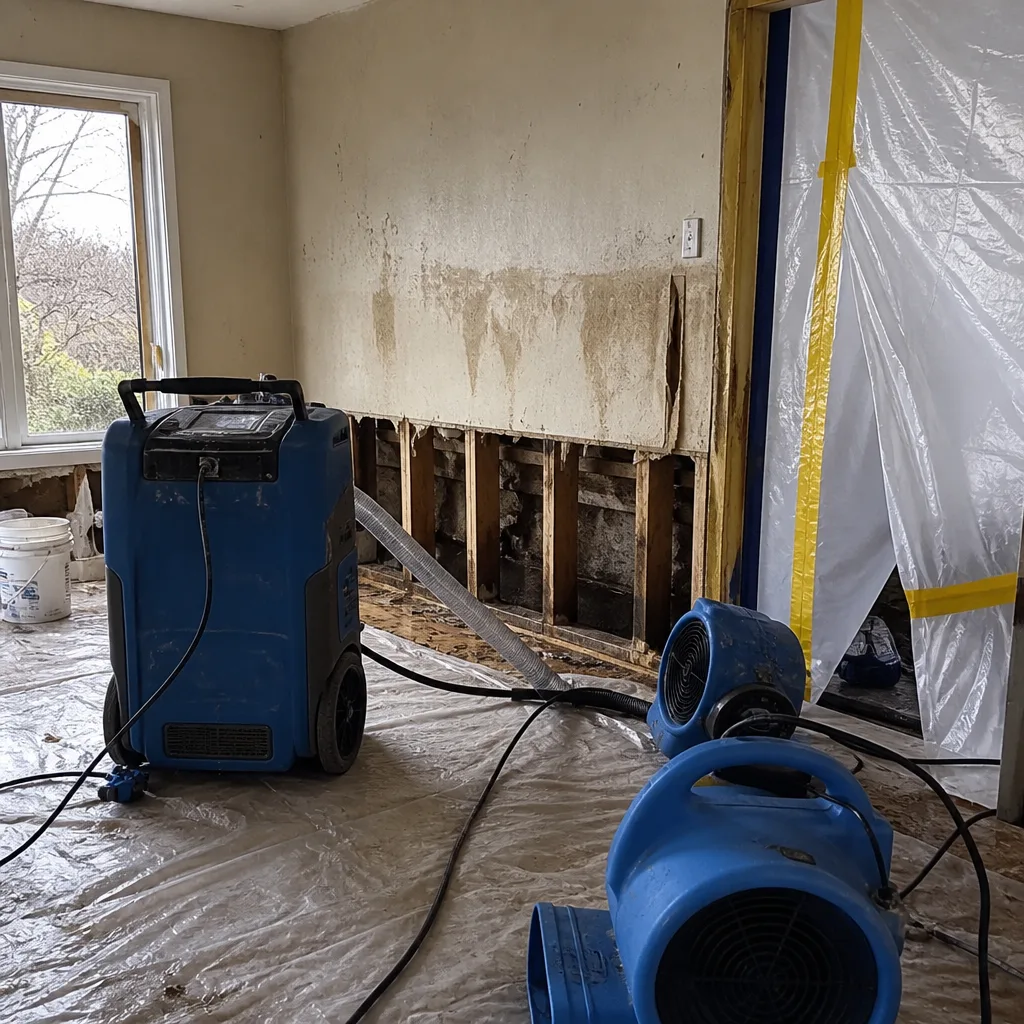
Negative-air containment goes up before any material moves. We seal the affected area with 6-mil poly and run HEPA-filtered air scrubbers to keep spores from spreading through the structure. If a shared wall is involved, containment is set on both sides.
Water Extraction & Drying
Standing water comes out with truck-mounted extraction. Then we deploy XPOWER air movers, B-Air dehumidifiers, and inline drying systems inside wall cavities. Daily moisture readings are logged. Every single day. You get the full log at the end.
Removal & Sanitization
Mold-contaminated plaster, lath, insulation, and trim come out as far back as the moisture map says they need to. We apply professional antimicrobial and antifungal treatment to the structural framing and the open cavity, then let the lumber prove it’s dry before anything goes back on.
Air Quality Restoration
HEPA air scrubbers run throughout the remediation. Before we clear the job, we do post-remediation verification: visual clearance plus moisture confirmation that cavities are below the fungal growth threshold. We hand you the documentation, not just a verbal all-clear.
Repairs & Restoration
New drywall, plaster repair, baseboards, paint, and any flooring that came out. The same crew that ran containment hangs the drywall. Wade walks the job with you personally before it’s closed out. If something isn’t right, the 90-Day Done Right Promise is in writing.
Need Emergency Mold Remediation in Jersey City Now?
Crews minutes away, answering live 24 hours a day. The sooner we start, the less it costs.
Working With Your Insurance Company
Mold claims are where adjusters get cautious, and documentation decides the outcome. We build the file from the first hour: photos of standing water, thermal images showing where moisture traveled inside walls, daily drying logs, and a line-item scope that separates water damage from mold remediation from reconstruction. Wade talks to your adjuster directly. You don’t relay anything. If the carrier wants to send their own inspector, fine. They’ll find a documented job with clear causation, and that’s how claims get paid. For Saltwater intrusion from the Hudson River or Newark Bay, we document corrosion separately because saltwater causes mechanical and electrical damage that a standard freshwater flood estimate misses. In attached buildings, we document pre-loss conditions for each unit separately when lateral migration through party walls makes one clean scope impossible to divide. That keeps your neighbor’s claim separate from yours.
What We Provide Your Insurer
- Thorough documentation of the loss
- Photos of all damage, room by room
- Moisture readings and drying logs
- A detailed, line-item scope of work
- Direct coordination with your carrier
Built for Jersey City’s Loss Calendar
Jersey City’s mold season isn’t a season. It’s a calendar of water. January deep freezes burst supply lines in uninsulated crawl spaces and exposed plumbing in century-old row houses. March and April bring thaw and heavy spring rain that finds every micro-crack in a brick foundation. Summer thunderstorms dump an inch and a half in an hour, and Jersey City’s combined sewer mains, sized for Victorian-era runoff, surcharge into basements across Bergen-Lafayette and Greenville. That’s raw sewage, Category 3, every time. September and October bring the nor’easters and the tail end of hurricane season, with saltwater storm surge pushing up through the fill marshland along Paulus Hook and the eastern waterfront. Saltwater corrodes foundation vents, crawl space access doors, and framing in months, not years. Winter after a fall storm reveals the mold that started in October and hid behind baseboards through the holidays. This is a mold-prone town by geography, not by bad luck. The water has a schedule. So do we.
Mold Remediation Across Jersey City’s Neighborhoods
Each neighborhood has its own failure pattern. In Bergen-Lafayette, we’re running containment on 1890s row houses where a single 1.5-inch rainstorm backs sewage through floor drains into a dozen connected basements on the same block. Moisture moves laterally through the shared brick party wall within 48 hours. In Greenville, same vintage housing, same combined-sewer problem, and the street grid sits hardest against the old tidal fill. We’ve opened walls and found the brick cavity itself holding moisture like a sponge. Paulus Hook gets the saltwater surge from the Hudson, and the damage runs deeper: corroded sill plates, rusted fasteners in the lath, electrical junction boxes gone green. The Heights has slightly newer stock but steep hillside drainage that pushes surface water against uphill foundations during heavy rain. Journal Square mixes pre-war brownstones with mid-century buildings, and the older ones have steam heat lines running through walls that complicate containment and drying. Wherever you are in Jersey City, the answer starts with a moisture map and a containment plan drawn for your building, not a template.
Specialized Mold Remediation Services We Offer in Jersey City
Mold Inspection & Testing
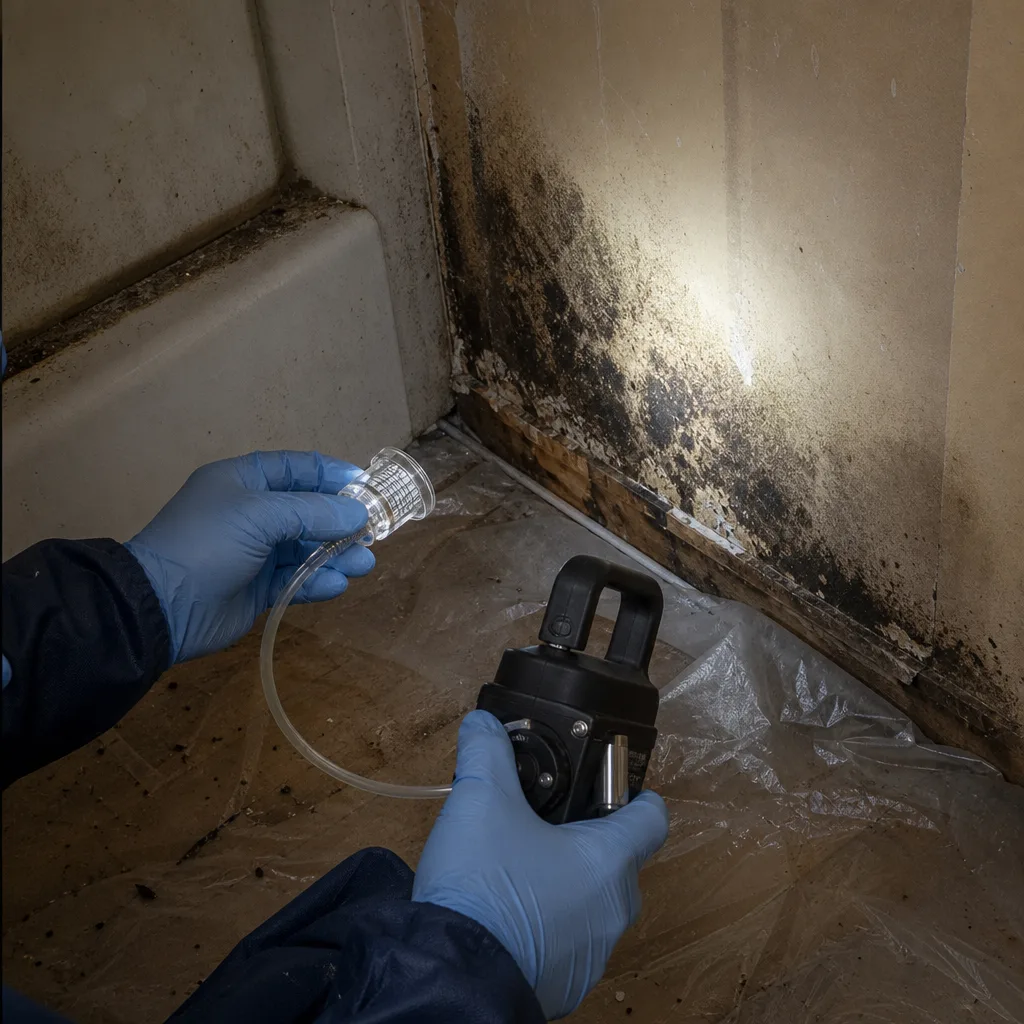
You can’t see mold inside a party wall. Thermal imaging and moisture meters find it. We test air quality before and after remediation, and we give you the actual readings, not a vague all-clear. In Jersey City row houses, inspection always includes checking the adjoining unit’s side of shared walls because spores don’t respect property lines.
Black Mold Remediation
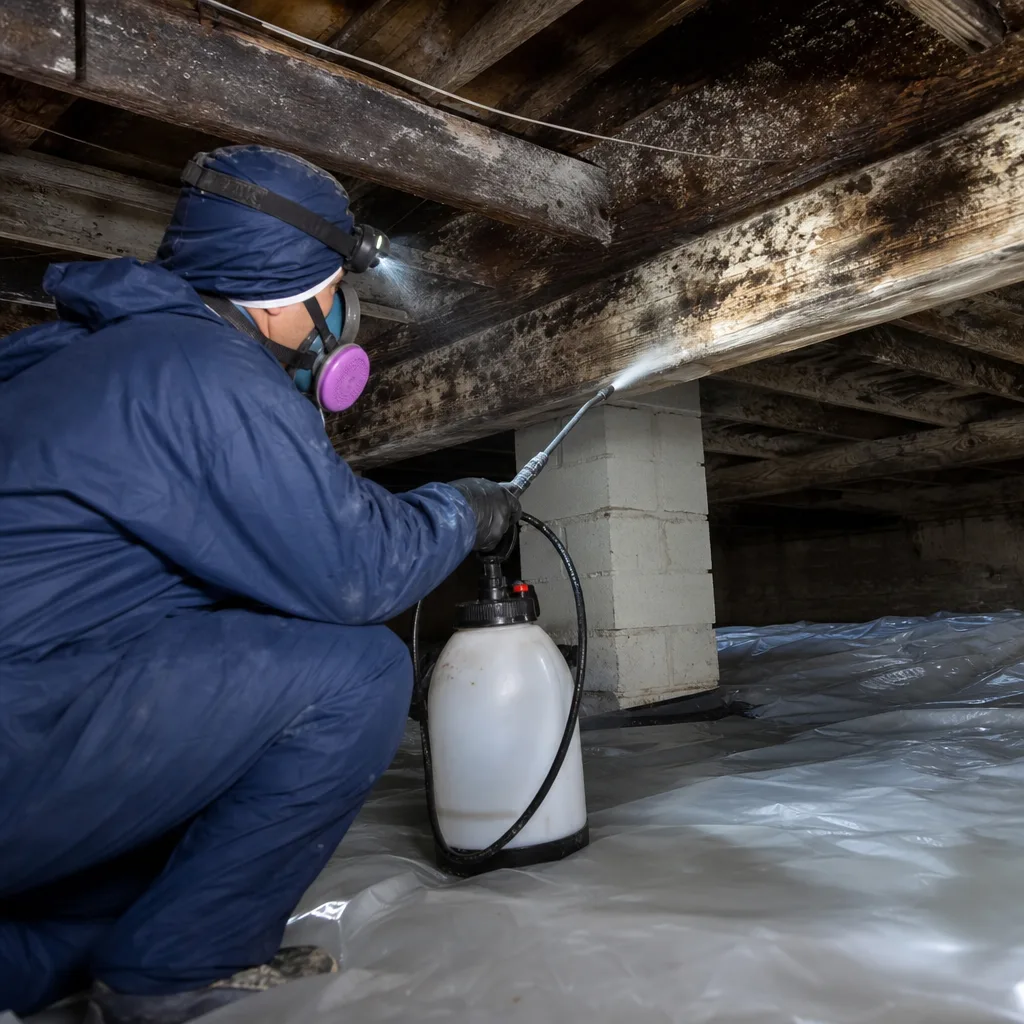
Stachybotrys grows on water-saturated cellulose: plaster, paper drywall backing, lumber, ceiling tile. It’s common in Jersey City basements after sewage backups sat for more than 48 hours. We remove the contaminated material, not the just-bleach-it route, and the cavity gets antimicrobial treatment before any rebuild. The 90-Day Done Right Promise covers black mold work in writing.
Air Quality Restoration
After a structural drying job gone wrong or a backup where mold was disturbed, spores circulate through forced-air systems. We run HEPA air scrubbers until post-remediation verification passes, and we document the before-and-after air quality measurements. For homes with original ductwork in crawl spaces, air quality restoration is the difference between fixing a wall and fixing a house.
Crawl Space Treatment
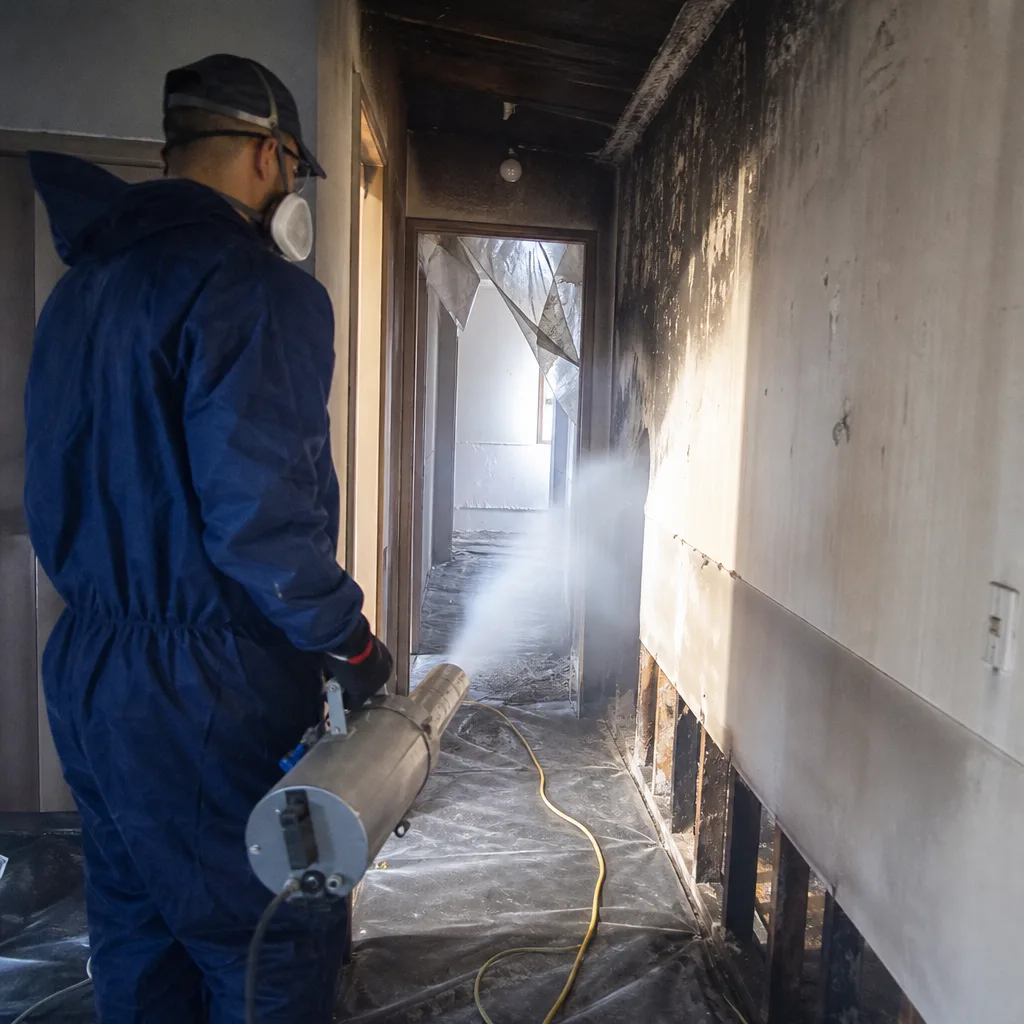
Crawl spaces under Jersey City row houses and brownstones trap humidity against floor joists and foundations. Salt air accelerates the problem near the waterfront. We treat crawl space surfaces with antimicrobials, seal vapor barriers, and address the moisture source. Then we show you the moisture readings so you know it’s dry where it matters. Free visual inspection on crawl space concerns, no trip charge inside the county.
What happens when you call
- 1
A real person answersNo phone trees - you reach a local pro.
- 2
You get an upfront price rangeHonest numbers before anyone is dispatched.
- 3
A background-checked tech heads outLicensed & insured, dispatched right away.
- 4
You approve before work beginsNothing starts until you say go.
Mold Remediation Costs in Jersey City, NJ
A straightforward bathroom mold removal in Jersey City typically runs $800-$2,000 when the damage is surface-level. A basement blackwater backup requiring full containment, removal of saturated plaster and lath, cavity treatment, and reconstruction in a row house runs $4,000-$12,000 depending on square footage and whether the shared party wall is involved. When lateral migration forces simultaneous containment in the neighboring unit, the cost lands on the higher end because two spaces are being sealed and scrubbed. Air quality restoration with documented verification adds $500-$1,800. Crawl space treatment typically runs $1,200-$3,500. The variables: how far moisture traveled, whether asbestos or lead paint assessment is required before demolition (nearly universal in pre-1930s Jersey City stock), and whether the water was Category 1 or Category 3. Wade gives you a written scope before work starts. No number changes at the door. And if you don’t like the number, the estimate itself is free.
We Also Serve Cities Near Jersey City
Wade’s Restoration serves the whole Jersey City metro. If you’re in Hoboken, Union City, Weehawken, or Secaucus, the same crew, the same equipment, and the same 45-minute response commitment apply. Same phone number, answered live: (201) 740-2235. Mold doesn’t care about municipal boundaries, and neither do we.
Jersey City Mold Remediation Questions, Answered
How do Jersey City’s combined sewer overflows affect mold risk in row-house basements?
Jersey City’s combined sewer system carries stormwater and sewage in the same mains, and a rain event over roughly an inch is enough to surcharge them. That means raw sewage backs up through floor drains into basements across Greenville and Bergen-Lafayette. Sewage is Category 3 water, and if the basement isn’t professionally dried and treated within 48 hours, mold colonization is certain. In row houses, the mold then moves laterally through shared party walls into the adjoining property. Call (201) 740-2235 the moment water backs up – the faster containment goes up, the less wall has to come out.
Why does mold remediation in a Jersey City brownstone require assessing the neighboring unit?
Brownstone and row-house party walls are load-bearing brick structures with continuous floor joists running between units. When water enters one side, moisture wicks through the brick and the joist pockets into the neighboring property within 48 hours. If we remediate only one side, mold on the other side keeps reinfecting your space through the wall cavity. We assess both sides, document each owner’s pre-loss condition separately, and when necessary, set containment on both sides of the wall. This is standard practice for our Mold Remediation team, and it’s also why our estimates for attached buildings look different from a detached-home quote.
Do I need asbestos or lead testing before mold removal in my pre-1930s Jersey City home?
Almost certainly yes. Pipe insulation, floor tiles, and original painted trim from the 1880s-1930s era in Jersey City commonly contain asbestos and lead paint, and NJ DEP regulations require assessment before demolition or drying work disturbs those materials. We coordinate that testing as part of the project scope, and we don’t open walls until the results are in. Skipping it isn’t just illegal; it can contaminate the air in your house and your neighbor’s. Any contractor who says it’s unnecessary on a pre-1930s row house is not doing Jersey City work properly.
How does saltwater flooding from the Hudson River or Newark Bay change mold remediation in Paulus Hook?
Saltwater accelerates corrosion and carries additional contaminants. In Paulus Hook and the eastern waterfront, storm surge brings Hudson River water into basements and crawl spaces, and the salt attacks steel framing, fasteners, and electrical components while the moisture feeds mold. Remediation after saltwater intrusion has to include corrosion assessment of structural components, not just drying and antimicrobial treatment. Foundation vents and access doors are a common failure point: they rust out months after the event and let moisture back in, which restarts the mold cycle. We inspect and document all of it.
What is the difference between Category 1 and Category 3 water when it comes to drying after a Jersey City basement backup?
Category 1 is clean water from supply lines or rainwater. Category 3 is blackwater: sewage, storm surge, or anything that touched them. Category 1 water in drywall can sometimes be dried in place. Category 3 water means the saturated material is a biohazard and must be removed and disposed of, period. A Jersey City basement backup through a floor drain is almost always Category 3 because it’s coming from the combined sewer. Treating it as Category 1 is how you get hidden mold behind original plaster six weeks after the “drying” job is done.
How fast can you actually get to a Jersey City address?
Wade’s Restoration crews are in and around Jersey City daily, and the commitment is 45 minutes to arrival for emergency work. Wade answers his own phone, so you’re not waiting on a dispatch queue. For a sewage backup spreading through a party wall, we’ve had extraction running inside the hour in Greenville and Bergen-Lafayette. Call (201) 740-2235 and you’ll talk to a real person who can tell you exactly when the truck rolls.
Will my insurance cover mold remediation?
Depends on causation. If a covered peril like a burst pipe or wind-driven rain caused the water intrusion that led to mold, the mold remediation is often covered subject to your policy limits and any mold caps. If the mold developed from long-term humidity or neglect, coverage is less likely. Wade deals with your adjuster directly, and we provide the documentation carriers require: causation photos, daily drying logs, and a line-item scope separating water damage from mold work.
What should I do in the first 30 minutes after a basement backup?
First, don’t walk through standing water if there’s any chance it touched electrical outlets or appliances. Second, shut off power to the basement at the breaker. Third, call (201) 740-2235. Take photos from the stairs if you can, but don’t wade in. Don’t run a household fan, which spreads spores. Don’t pour bleach on it – bleach doesn’t penetrate porous materials where mold takes root. Contain yourself, not the water. We’ll be there fast.
Serving Jersey City, NJ - Our Local Coverage Area
We’re based in the Jersey City area and know this community well. Use the map below to see our service coverage - if you’re nearby, we can almost certainly help.
One More Thing About Jersey City Mold
Most national mold franchises treat Jersey City like any other market. Same script, same template, same crew rotation. But Jersey City’s mold problem barely resembles the one in inland New Jersey. The row-house party wall is the variable that changes everything. A Category 3 backup in one Bergen-Lafayette basement routinely wicks blackwater and mold spores into the adjoining property within 48 hours. On a Greenville block of 1890s row houses, we arrived after a 1.5-inch rainstorm backed raw sewage through floor drains into three connected basements. Our moisture mapping showed elevated MC in the shared brick party wall between all three units. We set negative-air containment in all three, removed saturated plaster and lath back to the brick, and applied antimicrobial treatment to the common wall cavity. We documented pre-loss conditions for each owner separately because lateral migration made one clean scope impossible to divide. That’s not a sales pitch. It’s the job description for Mold Remediation in Jersey City. The 90-Day Done Right Promise means if anything comes back, so do we. At no charge.
Written by Wade Ferris, Owner at Wade’s Restoration, answering his own phone for Jersey City since he founded the company in 2007.