
Free visual inspection and a written scope of work before any mitigation begins - photos, moisture readings, and drying logs go in your claim file
The scope we write is the scope we bill. Anything new gets shown to you, in writing, before we touch it.

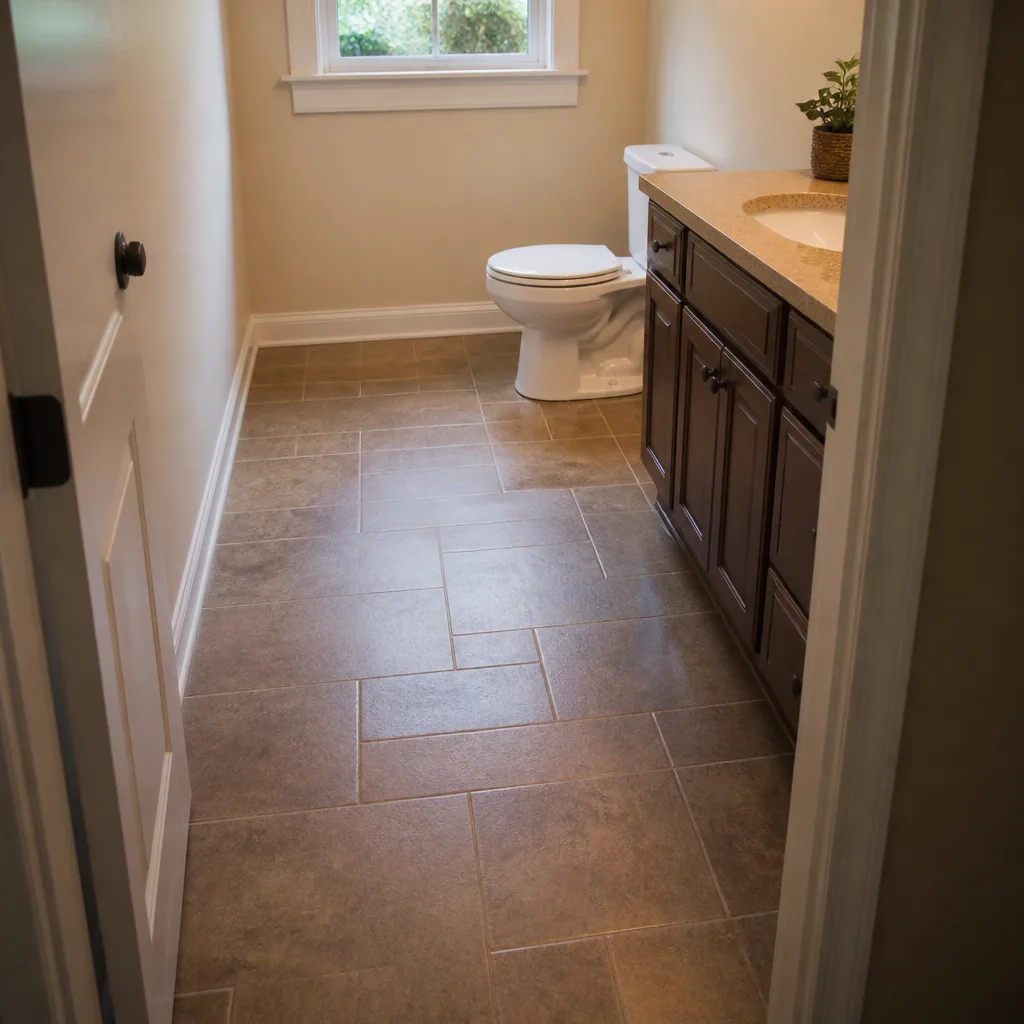
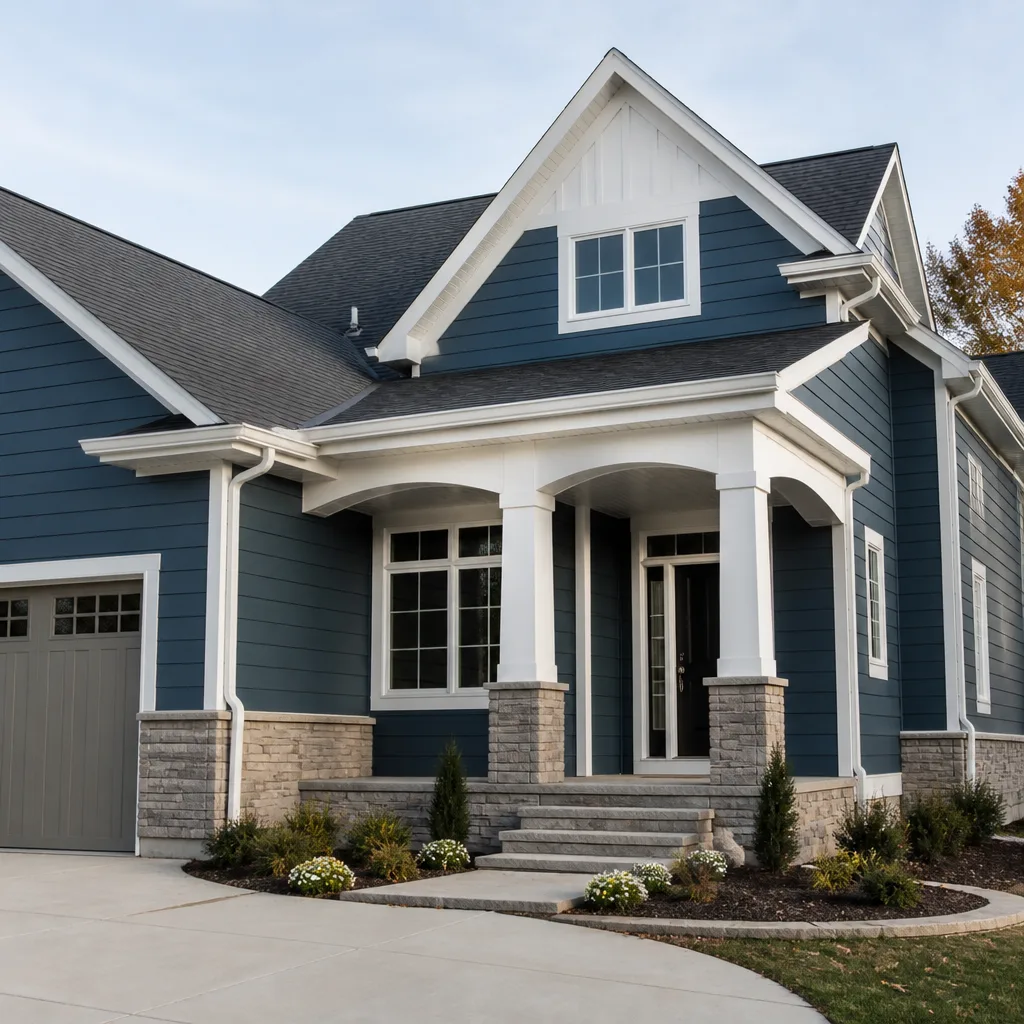
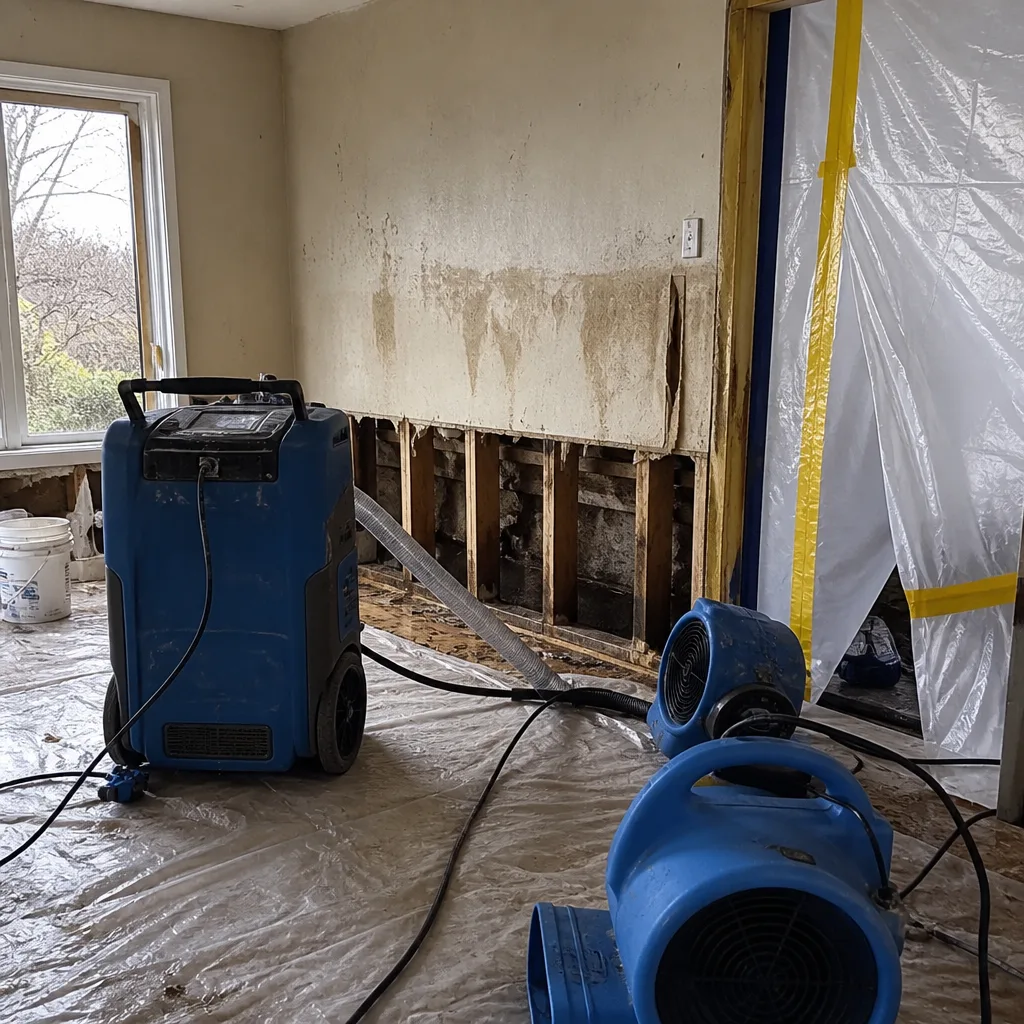 Before
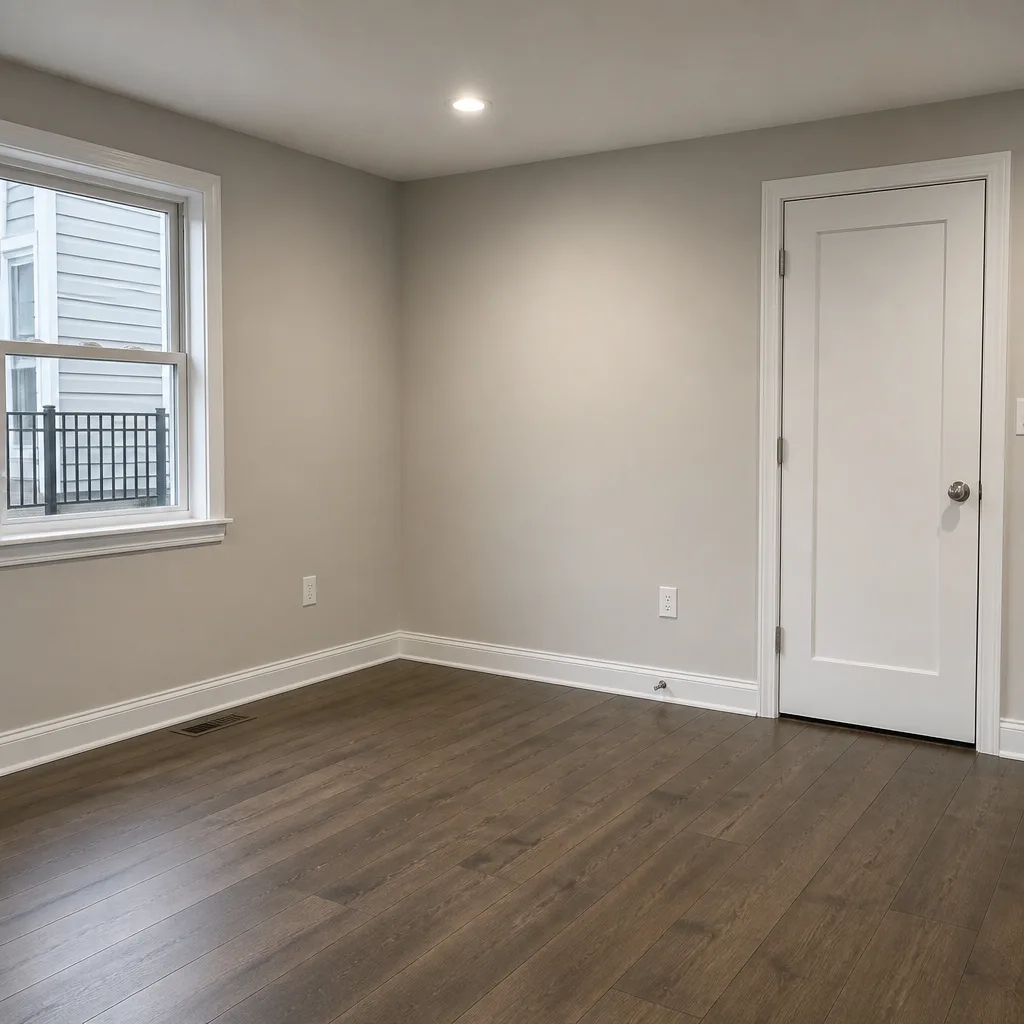 After
After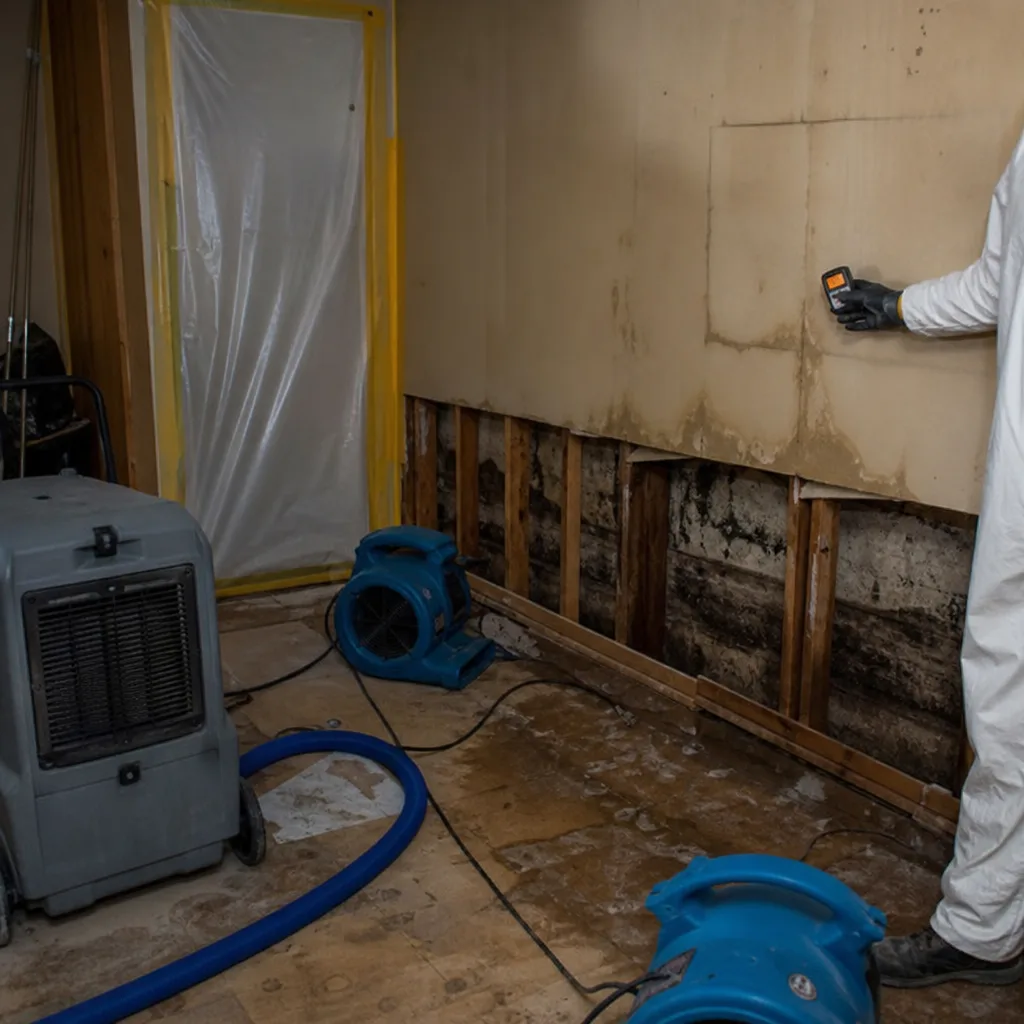 Before
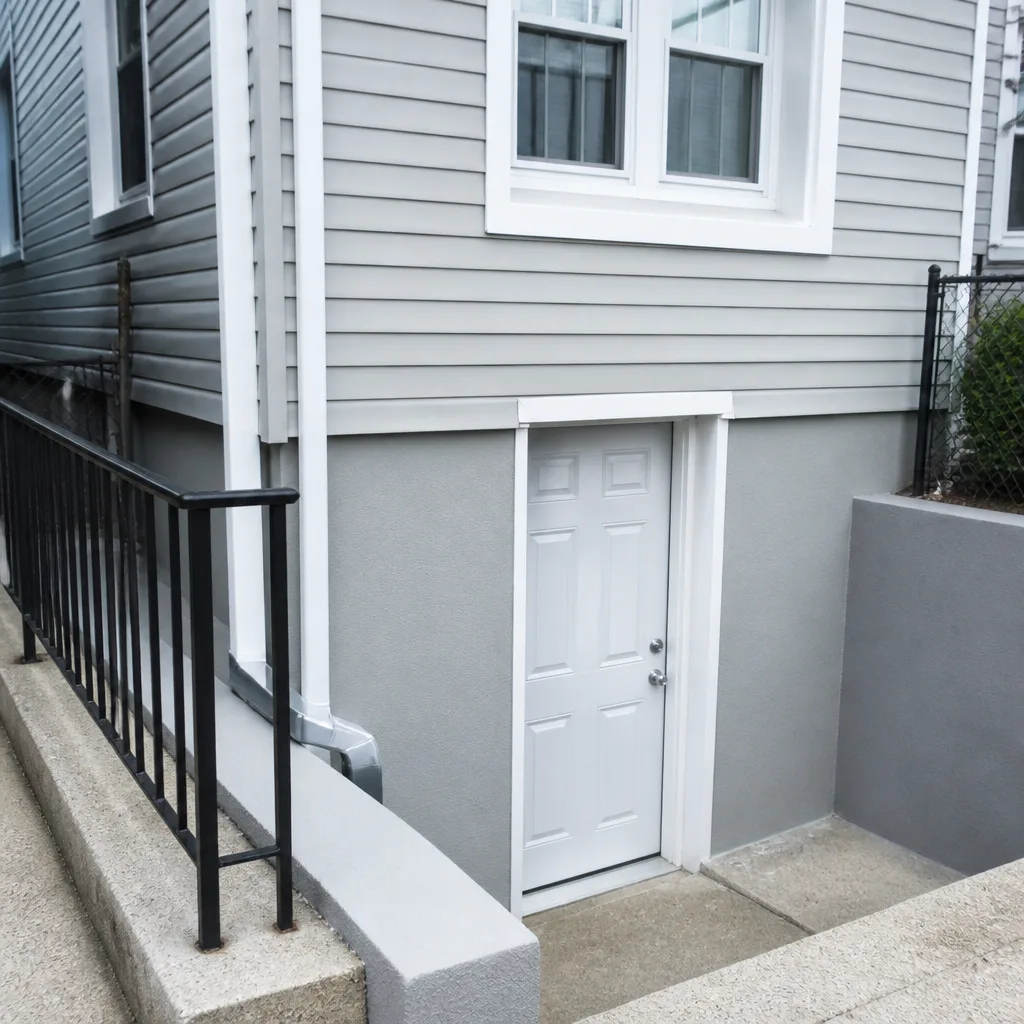 After
After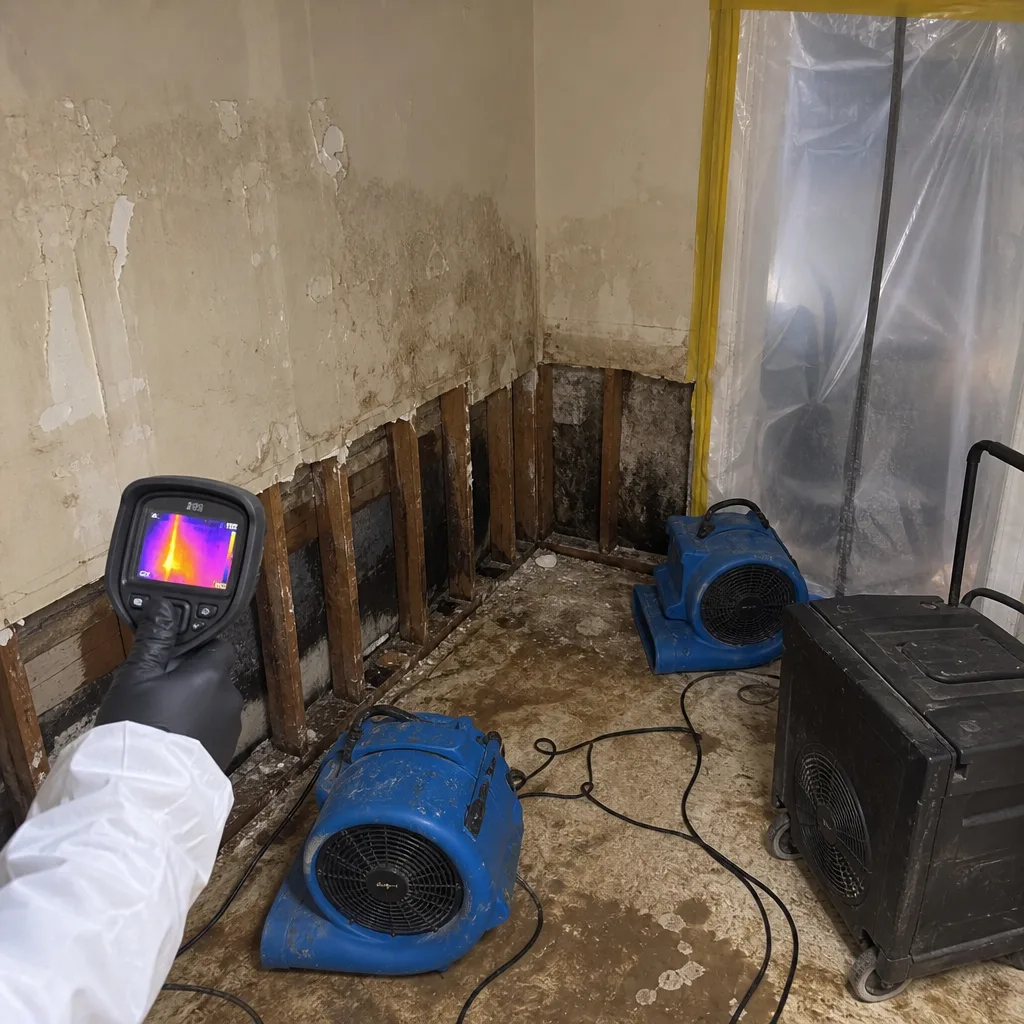 Before
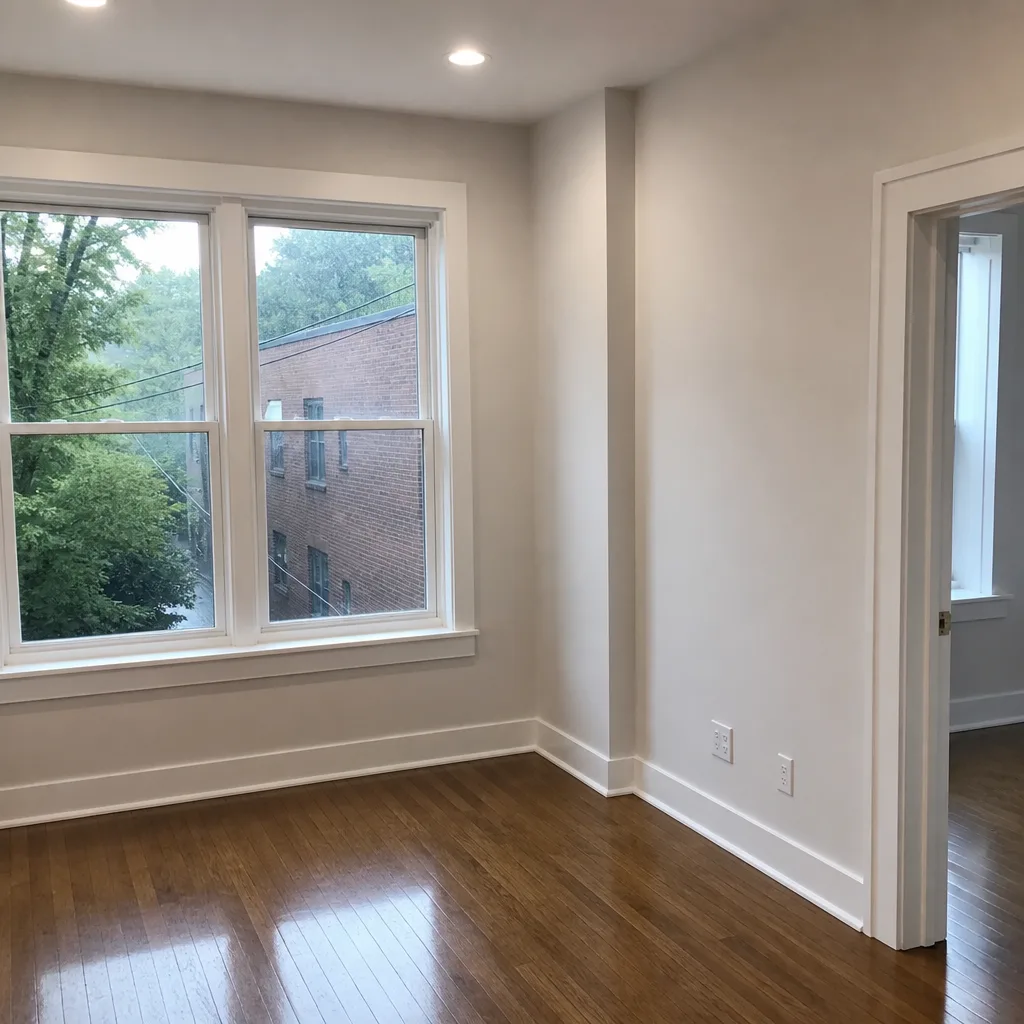 After
After24/7 Emergency Fire & Smoke Damage Restoration in Hoboken
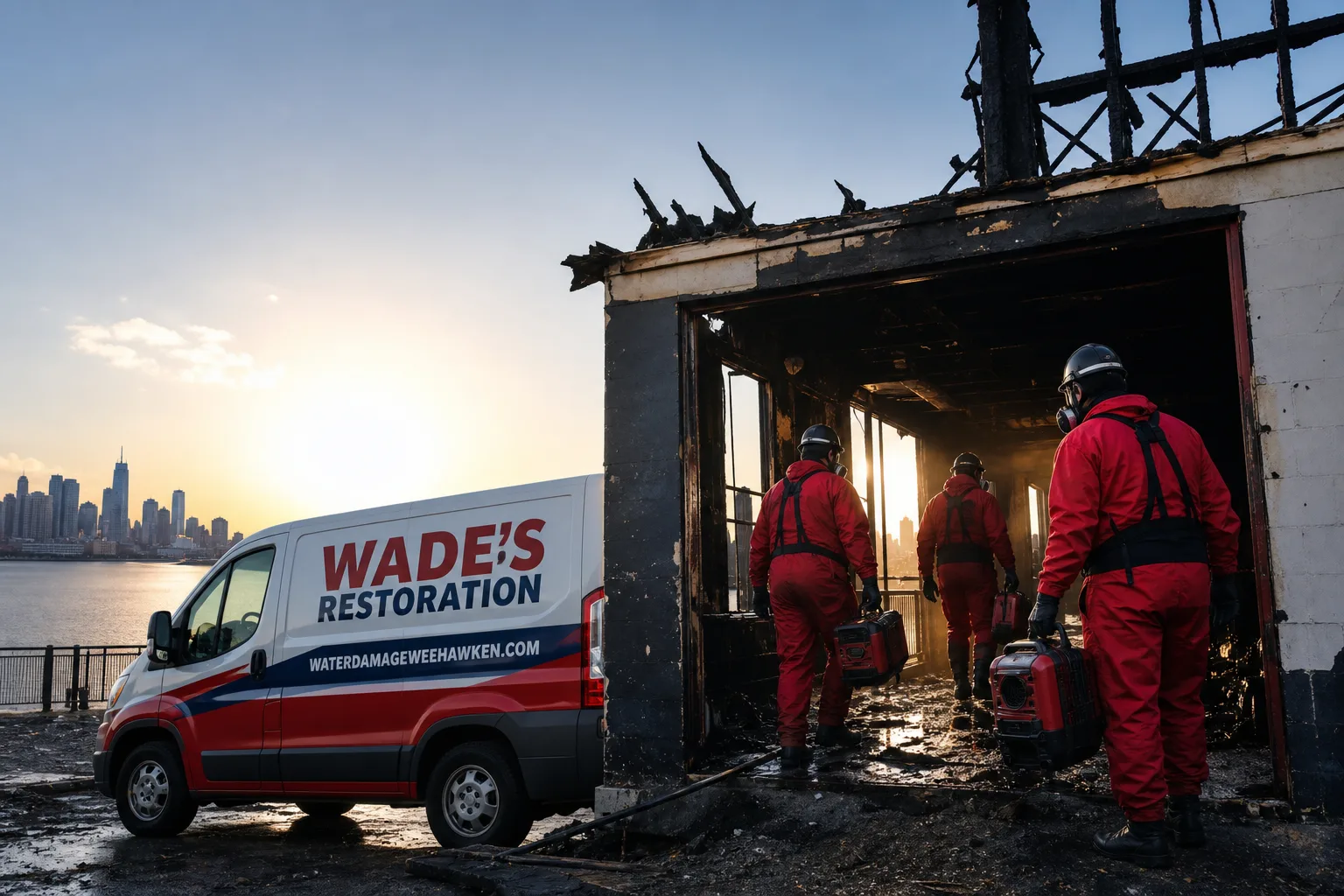
Fire damage in Hoboken doesn’t wait for business hours, and neither do we. Wade Ferris answers his own phone at (201) 740-2235 in the middle of the night, and he can have a crew at your door anywhere in Hoboken within 45 minutes of your call. The first hour after the fire department clears the scene matters more than most people realize. Soot is acidic. It starts etching glass, corroding metal fixtures, and permanently discoloring painted surfaces within 72 hours. In Hoboken’s humid Hudson River air, that window shrinks. Smoke odor seeps into century-old brick and plaster, and every day it sits, the harder it is to remove. We show up, take a hard look at what happened, and tell you straight what can be saved and what can’t. No charge for that inspection. No pressure. Just an honest assessment from someone whose name is on the truck.
Understanding Fire & Smoke Damage Restoration Severity in Hoboken Properties
Not every fire loss is the same. The restoration industry classifies soot residue in levels that dictate the entire cleanup approach. Light soot from a stovetop grease fire or an electrical short in an outlet leaves a fine, dry powder that responds well to dry-sponge cleaning and air scrubbing. Moderate soot from a smoldering mattress or a small contents fire deposits an oily film that smears if you touch it, requiring solvent-based cleaning agents and specialized wall-washing. Heavy soot from a structure fire creates a thick, textured residue that bonds to surfaces, meaning substantial material removal and replacement. In Hoboken’s pre-war brick and plaster buildings, this gets complicated fast. Plaster absorbs smoke odor at a depth that drywall in suburban homes doesn’t. The shared masonry walls between rowhouse units act as a chimney for smoke migration, spreading odor far beyond the actual fire floor. We map soot distribution with thermal imaging and take moisture readings throughout, because fire suppression almost always leaves water behind, and in Hoboken, that water is rarely clean. It’s a Category 3 situation more often than not, pulling decades of accumulated residue from old boiler room floors and shared utility spaces up through the building.
Why Hoboken Property Owners Choose Wade’s Restoration
- 45-minute response commitment: Wade’s crew is staged locally and heads out immediately. In a dense city like Hoboken, traffic is real, but so is our response time.
- 24/7 live answer, always a real person: Not a voicemail, not an answering service. Wade picks up the phone himself. That’s been true since 2007.
- IICRC-certified crews: Our technicians hold FSRT (Fire & Smoke Restoration Technician) and WRT (Water Damage Restoration Technician) certifications, and the work is backed by IICRC standards on every job.
- Free visual inspection: Before any work starts, we walk the property with you and tell you what we see. No charge inside our own county.
- Direct insurance billing: We handle the claim paperwork, send the photos and line-item scope directly to your adjuster, and bill the carrier directly when coverage applies.
- One team from extraction to reconstruction: The same people who remove the debris rebuild the wall. No handoffs, no finger-pointing, no gap between mitigation and rebuild.
Our Fire & Smoke Damage Restoration Process
Inspection & Assessment
We document everything before we touch anything. Thermal imaging to find heat-affected areas behind walls, moisture mapping to locate fire-suppression water, and a room-by-room soot classification. You get a written scope before work starts, not after.
Extraction & Stabilization
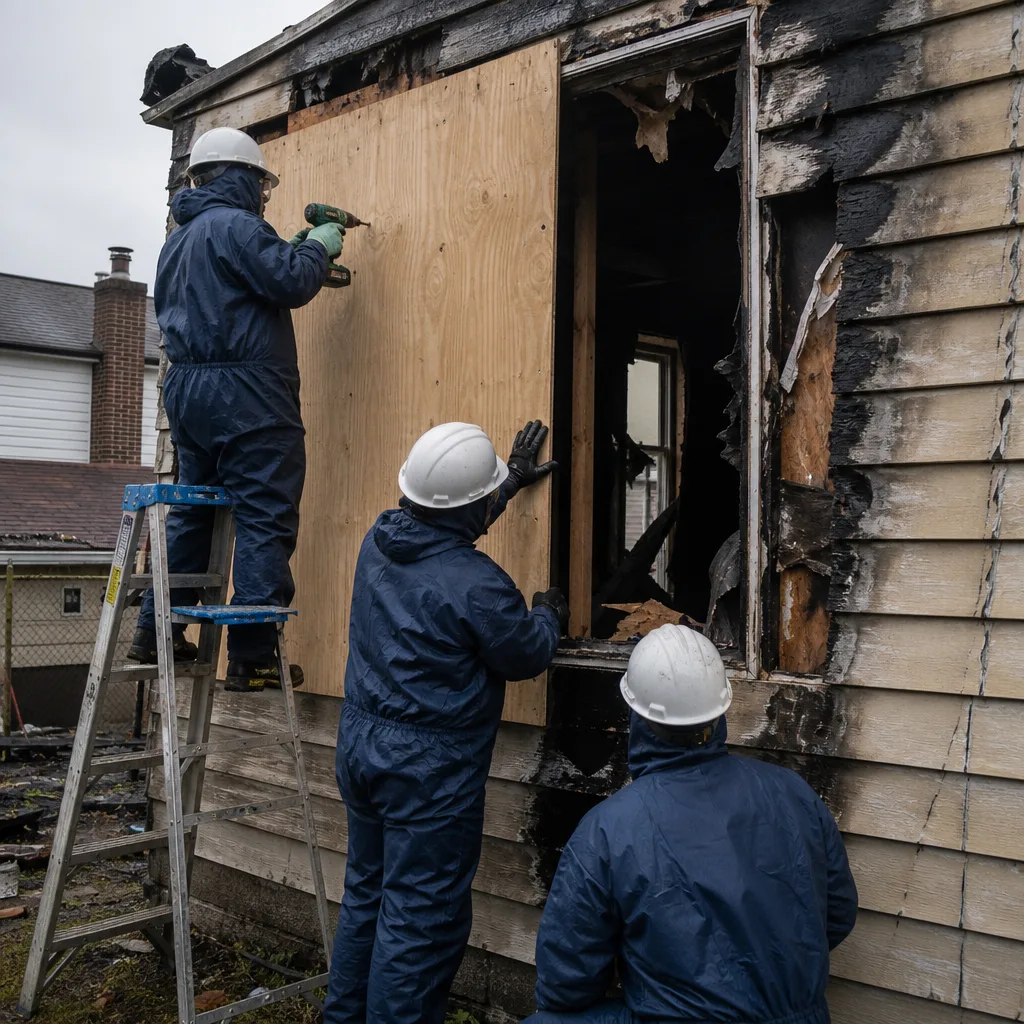
In Hoboken, fire suppression water is rarely clean. We extract standing water with commercial pumps and truck-mounted units, then stabilize the structure. Emergency board-up and tarping happen now, especially on upper floors of brick row houses where open windows invite weather and trespassers.
Drying & Dehumidification
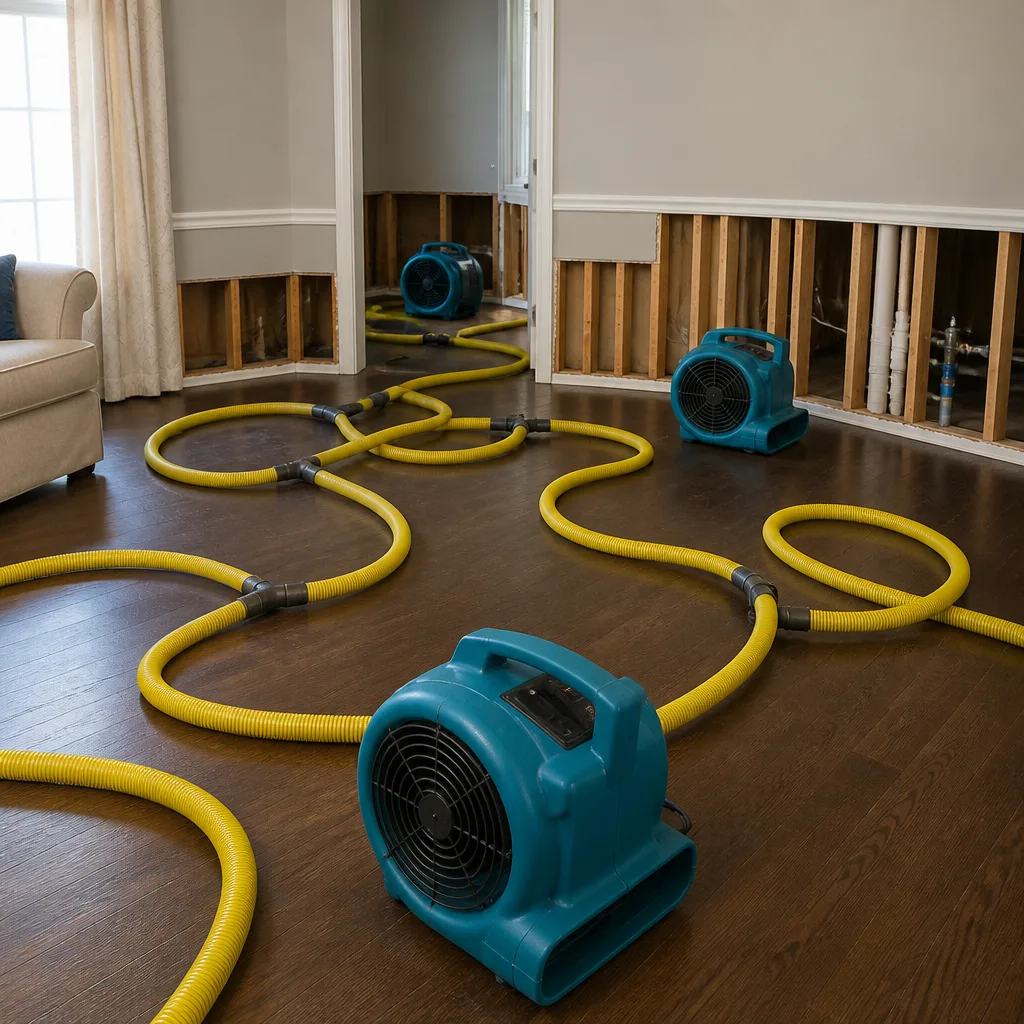
Dri-Eaz dehumidifiers and air movers run continuously, with daily moisture readings logged and handed to you at job’s end. This is the step most restoration companies rush. Wade records every reading, every day. Century-old masonry holds water for weeks.
Cleaning & Sanitization
HEPA air scrubbers run throughout the affected area to capture airborne soot particles. Surfaces are cleaned with the appropriate method for the soot type, and antimicrobial treatment is applied where Category 3 water was present.
Odor Removal & Contents Treatment
Ozone and hydroxyl generators neutralize smoke odor, including in adjacent apartment units that share walls with the fire floor. Contents are inventoried, packed out if needed, cleaned, and restored. We don’t wait for the adjuster to show up before we start protecting your belongings.
Repairs & Restoration
Structural repairs, plaster restoration, repainting, and finishing. The 90-Day Done Right Promise is in writing on every fire restoration contract: if it’s not done right, Wade makes it right. You call him directly.
Need Emergency Fire & Smoke Damage Restoration in Hoboken Now?
Crews minutes away, answering live 24 hours a day. The sooner we start, the less it costs.
Working With Your Insurance Company
Insurance claims after a fire in Hoboken get complicated quickly, especially in multi-unit buildings where multiple policies cover the same loss. Wade deals with the adjuster directly, so you’re never stuck relaying information between two sides. We document everything from the first hour: photos of the loss room by room, moisture readings, thermal imaging scans, and a line-item scope of work written in industry-standard format. If your adjuster has questions, they call us, not you. We’ve handled hundreds of fire claims in this area, and we know what carriers need to see. The goal is simple: get your claim approved at the correct scope, not a lowball number that leaves you unable to rebuild properly.
What We Provide Your Insurer
- Thorough documentation of the loss
- Photos of all damage, room by room
- Moisture readings and drying logs
- A detailed, line-item scope of work
- Direct coordination with your carrier
Built for Hoboken’s Loss Calendar
Fire losses in Hoboken follow a seasonal rhythm, and knowing that rhythm means we’re ready before you need us. November through March, space heaters and overloaded circuits in aging pre-war buildings spark electrical fires, while holiday cooking in galley kitchens puts grease fires near the top of the list. January deep freezes burst pipes, and in Hoboken, pipe bursts in a 1910 brownstone mean water cascading through four floors before anyone notices. Spring and summer bring thunderstorms and the occasional nor’easter, and with Hoboken’s elevation sitting at or below 10 feet above sea level, heavy rain turns basements into swimming pools. Where water goes, electrical systems short. Where electrical shorts happen, fires start. We work the same blocks and the same buildings year after year, because that’s what happens in a city where roughly 80% of the streets flooded during Hurricane Sandy and the buildings absorbed that history into their bones.
Fire & Smoke Damage Restoration Across Hoboken’s Neighborhoods
Response routes matter in Hoboken, and we know every one of them. From the low-lying western bowl near Observer Highway and the rail yards, where floodwater historically ponds first during any coastal storm, to the taller brownstones along Washington Street, each neighborhood has its own loss pattern. In the dense blocks between Clinton and Grand near Church Square Park, we see the same thing repeatedly: kitchen fires on upper floors sending smoke through shared stairwells and light wells into adjacent units. Over by Stevens Institute of Technology along the Hudson, wind-driven rain penetrates aging window frames after storms, and water intrusion into masonry walls creates the kind of hidden moisture that shows up months later as mold. The residential streets between Ninth and Fourteenth near the flood-prone western side see the most Category 3 water from storm surge, and when a boiler room floods, the entire building’s electrical systems are at risk. We also work the compact apartment buildings around the PATH station, where a fire in one unit means coordinated pack-out and odor treatment for neighbors on every side. Hoboken’s five ZIP codes, 07030 running the spine of the city, keep us moving along routes we know by heart: Willow Avenue, Park Avenue, Bloomfield Street, and the cross streets that connect them.
Specialized Fire & Smoke Damage Restoration Services We Offer in Hoboken
Fire Damage Cleanup
Removing charred debris, damaged drywall or plaster, ruined flooring, and compromised structural elements requires a careful hand, especially in Hoboken’s historic buildings. We’re trained to distinguish between what’s structurally sound and what’s not. The goal is always to save as much original material as possible, because in a pre-1900 row house, original plaster and brick aren’t just materials, they’re character.
Smoke & Soot Removal
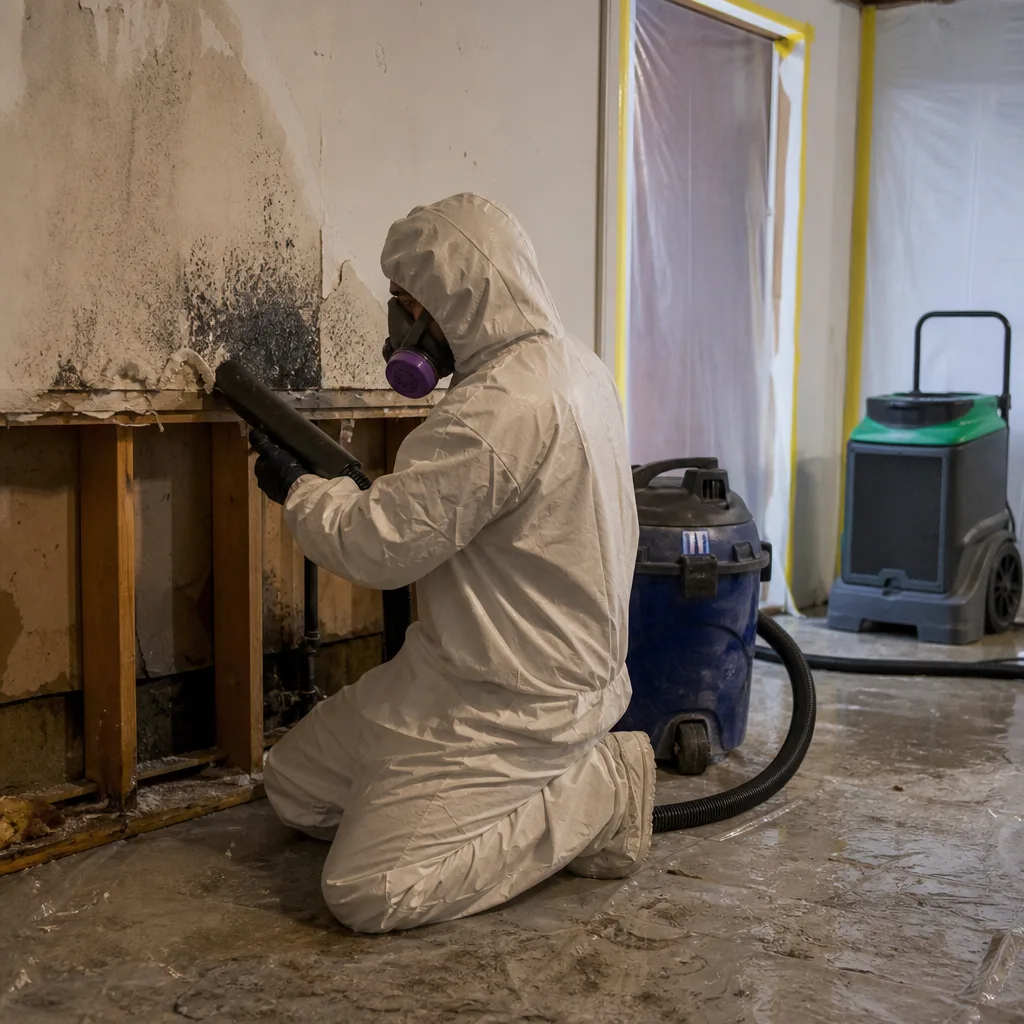
Soot removal in Hoboken’s brownstones means working with surfaces that have been absorbing soot since the building went up. We use the full range of methods: dry sponge cleaning for light residue, solvent-based cleaning for oily soot, and soda blasting for heavy embedded carbon on masonry. We clean what can be cleaned, and we tell you straight when something has to go.
Odor Removal & Deodorization
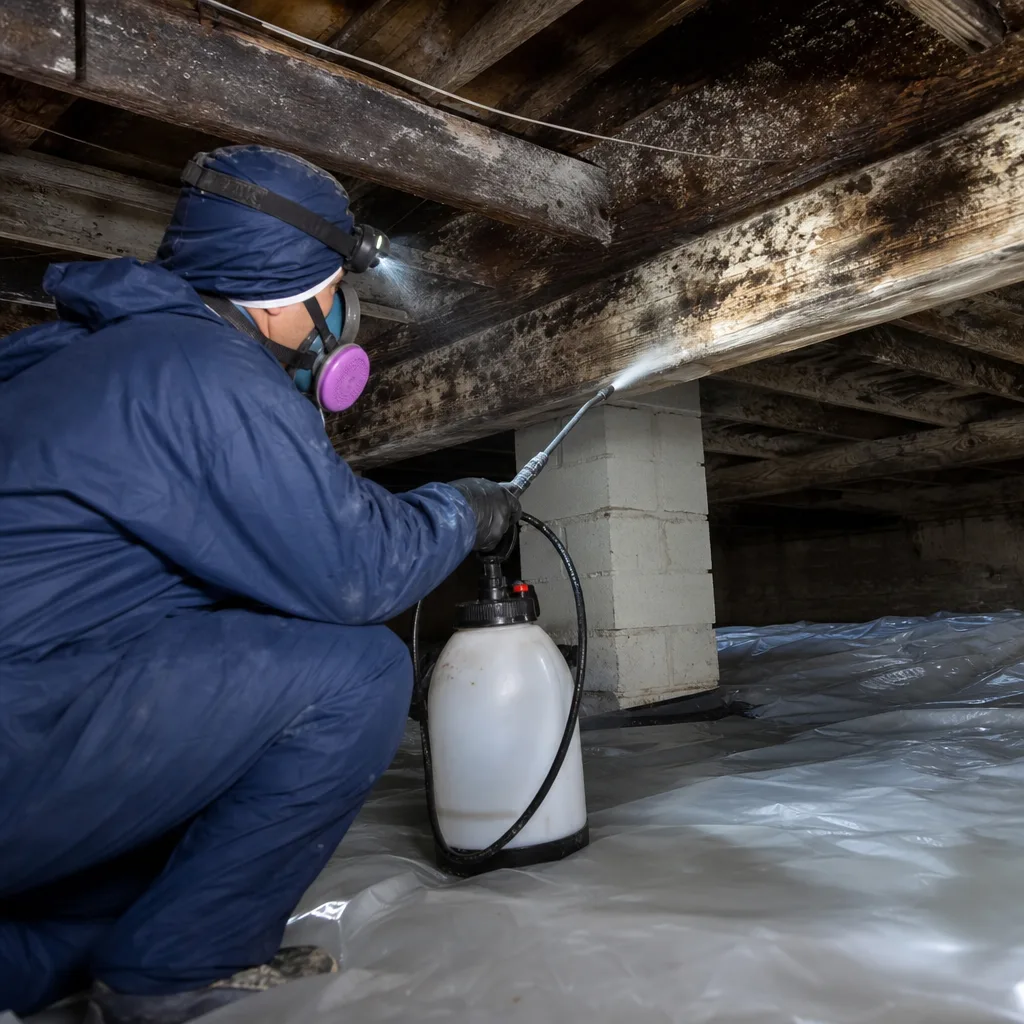
Smoke odor in Hoboken’s shared brick walls is a known problem that keeps coming back if it’s not handled correctly. We run hydroxyl generators and ozone treatments continuously, and we keep air movers running around masonry chimney breasts, because that’s where odor hides. Skipping this step means a call three weeks later from the neighbor’s apartment about the smell.
Contents Cleaning & Pack-Out
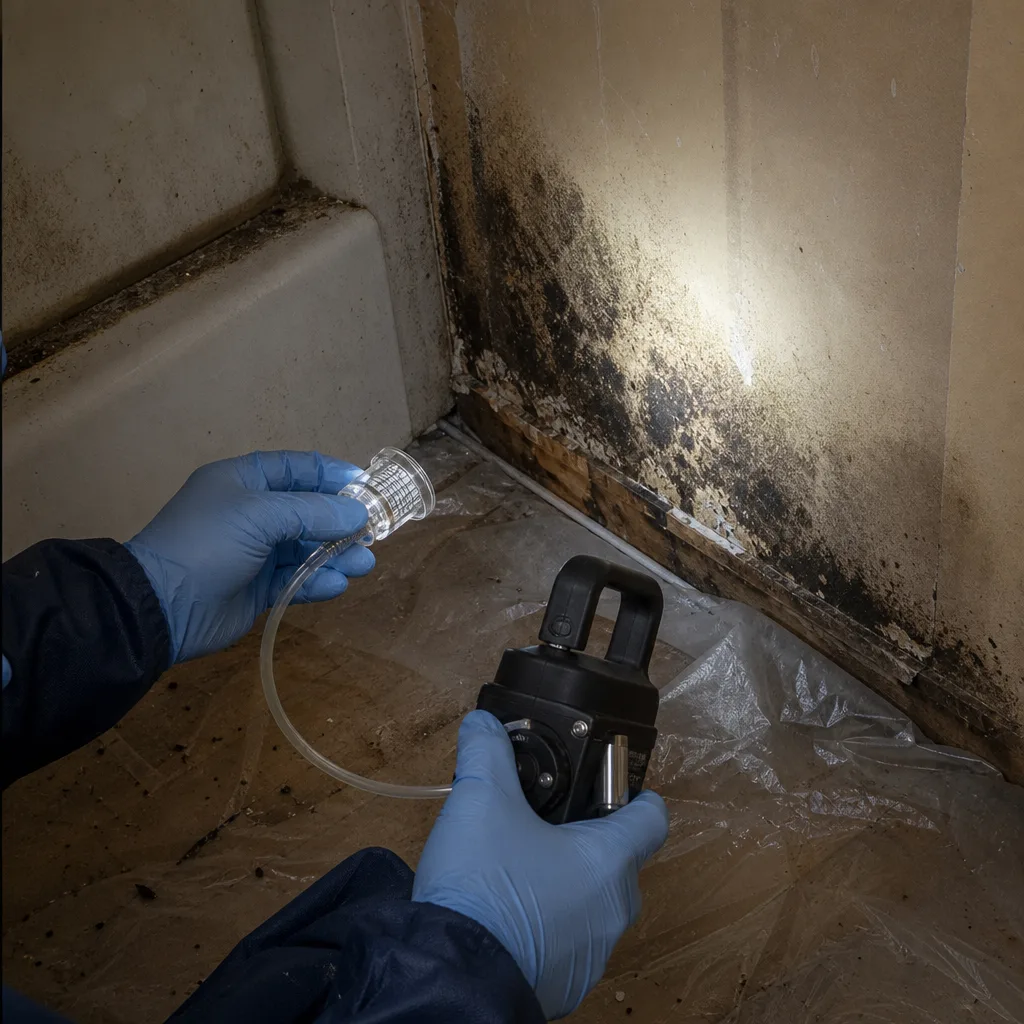
After a fire in a multi-unit Hoboken building, tenant belongings need to move fast. The humid Hudson River air accelerates soot etching on glass, metal, and ceramics. We inventory everything, pack it out, clean it off-site, and return it. We don’t wait for the adjuster to arrive before we start, because waiting costs you the items you can’t replace.
Emergency Board-Up & Tarping
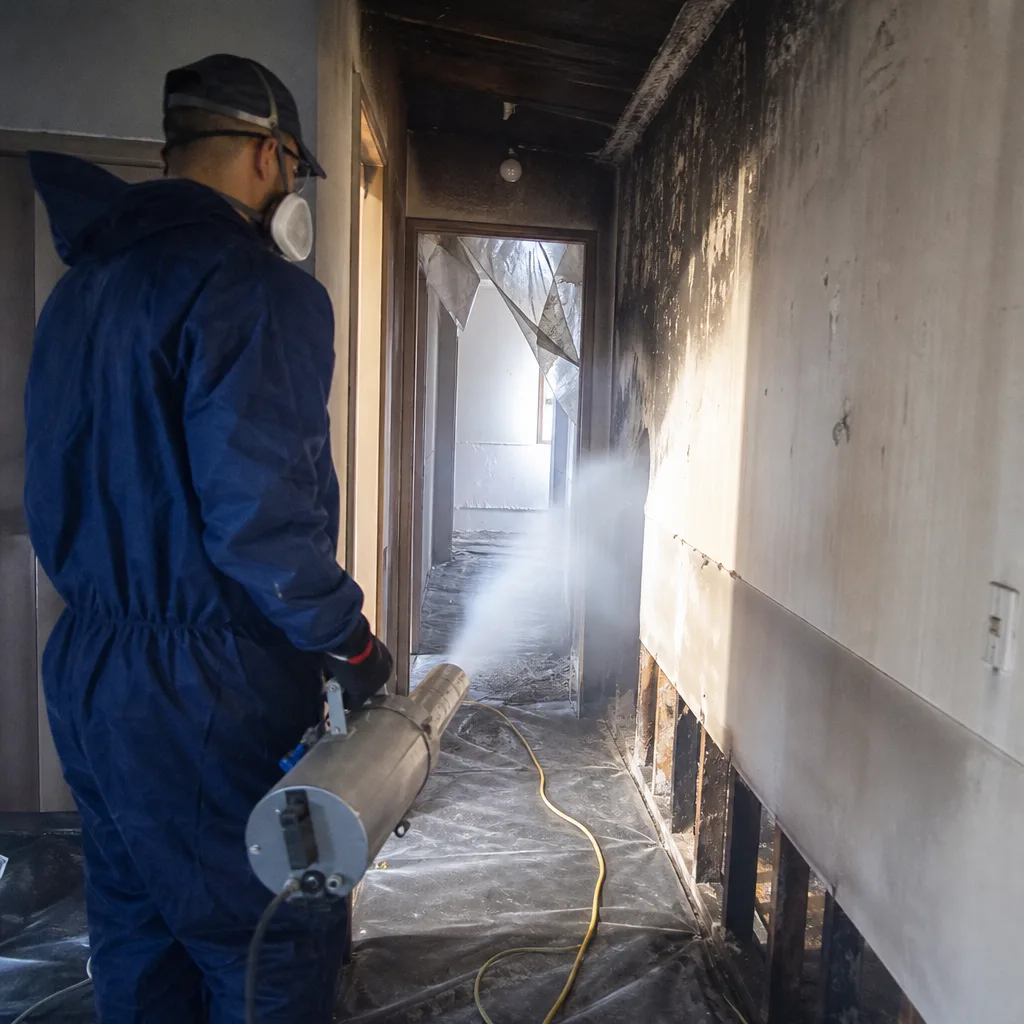
After the fire department clears the scene, your building is vulnerable. Broken windows, open walls, and a damaged roof invite weather, trespassers, and further loss. We board up and tarp immediately, using materials that hold up against Hoboken’s wind loading off the river. Then we secure the perimeter so no one gets hurt walking past.
What happens when you call
- 1
A real person answersNo phone trees - you reach a local pro.
- 2
You get an upfront price rangeHonest numbers before anyone is dispatched.
- 3
A background-checked tech heads outLicensed & insured, dispatched right away.
- 4
You approve before work beginsNothing starts until you say go.
Fire & Smoke Damage Restoration Costs in Hoboken, NJ
Every job is different, but Hoboken’s market has real numbers we can share. Smoke and soot cleanup in a single condo after a kitchen fire typically runs $1,200 to $3,500 depending on square footage and how far soot migrated. Full structural fire repair in a brownstone, including plaster restoration and repainting, often lands between $8,000 and $30,000. Basement boiler room fires that involve Category 3 water extraction before any soot removal add $2,500 to $7,000 for the water piece alone. Emergency board-up and tarping runs $500 to $1,500, and we handle that immediately, not after the estimate clears. Insurance covers most of these costs when the loss is covered, and we bill carriers directly. If you’re paying out of pocket, ask about the Senior & Veteran 10% discount and the $40 off any repair over $200. The free visual inspection is always the right first step. Call (201) 740-2235 and Wade will walk the property with you and give you a number in writing.
We Also Serve Cities Near Hoboken
Wade’s Restoration crews work throughout Hudson County. We serve fire and smoke damage restoration needs in Union City, Weehawken, Jersey City, and North Bergen, with the same 45-minute response commitment and the same owner answering the phone. If you’re in a neighboring city, the number is the same: (201) 740-2235.
Hoboken Fire & Smoke Damage Restoration Questions, Answered
How quickly can you start smoke and soot removal in a Hoboken brownstone after the fire department clears the scene?
We can have a crew on site within 45 minutes of your call, and we start soot removal the same day we arrive. In a brownstone, that means setting up containment on the fire floor and beginning dry-sponge and HEPA air scrubbing immediately, because the humid Hudson River air accelerates soot etching on glass and metal within days.
Does fire damage restoration in Hoboken require any special permits or city inspections for structural repairs?
Structural fire repairs in Hoboken fall under the city’s building department, and work on landmarked buildings in districts like the Hoboken Historic District may require design review. We coordinate with inspectors and handle the permit process as part of our reconstruction scope. You don’t need to navigate that alone.
Can you restore the original brick and plaster in a pre-1900 row house after a kitchen fire, or will the walls have to be replaced?
In most cases, original plaster and brick can be restored. We were called to a 5-story brick row house on Adams Street after a kitchen fire that activated the sprinklers, and our techs dried the century-old party walls with Dri-Eaz dehumidifiers for five days, then restored the original plaster to pre-loss condition. A full gut is a last resort, not a default.
What happens to my tenants’ belongings during pack-out after a fire in a multi-unit Hoboken building?
We inventory, photograph, pack, and remove tenant belongings on a room-by-room basis, usually within 24 hours of the fire. The pack-out gets them out of the damaged environment before soot has time to permanently etch or stain. Items are cleaned off-site, stored, and returned after the structural work is done, with documentation for the insurance claim.
Is the smoke odor from a fire in one Hoboken apartment likely to spread into neighboring units through the shared brick walls?
Yes, and this is one of the most persistent problems we handle in Hoboken’s rowhouses. Smoke migrates through shared wall cavities, stairwells, and floor joists between attached units. We treat the entire affected area, not just the fire unit, running hydroxyl generators and air scrubbers continuously to neutralize odor in adjacent apartments.
How long does fire and smoke damage restoration take in Hoboken?
A typical kitchen fire cleanup in a single condo takes 3 to 7 days. A structural fire in a brownstone with Category 3 water extraction, full drying, and plaster restoration can run 4 to 8 weeks. You’ll have a written timeline before work starts, and Wade updates you directly as things progress.
Will my insurance cover fire and smoke damage restoration?
Most homeowners and condo policies cover fire damage and the resulting smoke and water damage. We bill your carrier directly, provide the documentation they need, and deal with the adjuster ourselves. If you’re unsure, call Wade at (201) 740-2235 and he’ll review your situation before any work begins.
What should I do in the first 30 minutes after a fire in my Hoboken home?
Call (201) 740-2235. Then, don’t touch anything. Soot smears when wiped, and walking through the area tracks contamination into clean rooms. Don’t turn on HVAC systems, don’t plug anything in, and don’t move furnishings. We’ll be there within 45 minutes to secure the property and start the assessment.
Serving Hoboken, NJ - Our Local Coverage Area
We’re based in the Hoboken area and know this community well. Use the map below to see our service coverage - if you’re nearby, we can almost certainly help.
The Hoboken Reality Most Restoration Pages Miss
Most fire restoration guides start with soot classification and end with ozone treatment. They’re written for a house on a suburban street. Hoboken is different. The city sits almost entirely at or below 10 feet above sea level, and roughly 80% of it flooded during Hurricane Sandy. What that means in practice is this: fire damage restoration in Hoboken routinely begins with Category 3 water extraction from storm surge or fire-suppression runoff before any soot removal can start. The windows that let smoke out during a fire let floodwater in during the next storm. The basement boiler rooms that power entire 6-unit buildings fill with contaminated water, and that water doesn’t stay in the basement. It wicks up through shared masonry walls, carrying decades of residue from the mechanical room into living spaces on every floor. A restoration company that shows up in Hoboken expecting a clean, contained fire job is going to miss half the loss. We’ve been called to Fire & Smoke Damage Restoration jobs where the fire itself did $3,000 in damage and the water did $30,000. That’s the sequence nobody in a neighboring city like Jersey City or Union City sees the same way. Hoboken’s combination of near-sea-level grades, century-old attached housing, and shared utility infrastructure makes fire restoration here a different trade entirely. Wade’s Restoration has been doing this work since 2007, and our Fire & Smoke Damage Restoration in Hoboken experience runs deep. When you call, you get Wade himself. He’ll tell you what he sees, write it down, and hand you a scope before work starts. That’s how it should work.
Written by Wade Ferris, Owner at Wade’s Restoration, serving Hoboken since 2007.